
Can you get a patent computer program in the United States? The answer isn’t always simple. Some software inventions can qualify for patent protection when they solve a specific technical problem in a new and useful way.
However, not every program is patentable software. U.S. patent law can reject claims based on an abstract idea, especially when a computer only performs ordinary tasks. Understanding eligibility, patent requirements, and the filing process can help software creators protect valuable inventions.
Can You Patent a Computer Program?

Yes, some software-based inventions can receive patent protection in the United States. A computer-implemented invention must satisfy Section 101 and other patent requirements before protection can be granted.
The USPTO considers the claimed invention as a whole. It may examine whether the software improves computer technology or simply performs an abstract idea on a generic computer.
What Makes Software Patent-Worthy?
A strong invention usually solves a specific technical problem. For example, software that improves processing speed or memory management can have a stronger patent case than software that only automates an ordinary business task.
What Does a Software Patent Protect?
A software patent generally protects the claimed invention rather than every line of source code. Claims can cover a particular method, system, or computer-readable implementation.
This makes software patent protection different from copyright. Copyright mainly protects the expression of code, while a patent can protect qualifying functional aspects of an invention.
| Protection | Main focus | Example |
| Patent | Functional invention | New data-processing method |
| Copyright | Code expression | Original source code |
| Trade secret | Confidential information | Secret algorithm |
When Is Software Patentable?
Software may be patentable when it meets key software patent requirements, including novelty, non-obviousness, utility, and patent eligibility. A strong invention usually solves a specific technical problem with a practical and original technical solution.
A prior art search can reveal whether similar technology already exists. Software that provides a genuine technical improvement may have a stronger case than software that simply automates a common business process or applies an abstract idea using a computer.
Abstract Ideas vs Patentable Software
The abstract idea software issue is important in U.S. patent law. A basic idea doesn’t become patentable just because a computer performs it. The invention needs a specific and meaningful technological application.
Software that improves computer functionality may have a stronger case for patent protection. For example, a new method that improves processing speed or reduces system errors can show a technical improvement, unlike software that simply automates a common business task.
How the Alice Framework Affects Software Patents

The Alice framework is important when assessing software patent eligibility in the United States. It helps determine whether a patent claim is directed to an abstract idea or another excluded concept under Section 101.
If a claim involves an abstract idea, the analysis considers whether it adds an inventive concept that makes the claim meaningfully more than the excluded idea. Software that improves computer functionality or provides a specific technical improvement may have a stronger position.
Types of Computer Software Patents
A computer software patent can use different claim types based on how the invention works. Method claims protect specific steps, while system claims cover computer components working together. A computer-readable medium claim can cover stored executable instructions.
The right approach depends on the invention and its technical features. Software involving algorithms, machine learning, or data processing isn’t automatically patentable. The claimed technology must still meet applicable patentability requirements.
How to Patent a Computer Program
The software patent process starts by clearly documenting the invention. Explain the problem, solution, system architecture, and technical benefits. A patent application for software should describe how the program works, not just what it achieves.
A software prior art search can help identify similar inventions before filing. Depending on the situation, inventors may consider provisional patent software or a non-provisional application. Careful patent claims can then define the specific protection being requested.
How to Prepare a Strong Software Patent Application
A strong application explains how the invention actually works. It can describe data structures, processing sequences, technical components, and different implementation options.Good drafting also connects the claimed results to concrete technical features. This approach can provide stronger support for software invention protection and broader protection when the facts justify it.
Software Patent vs Copyright and Trade Secret
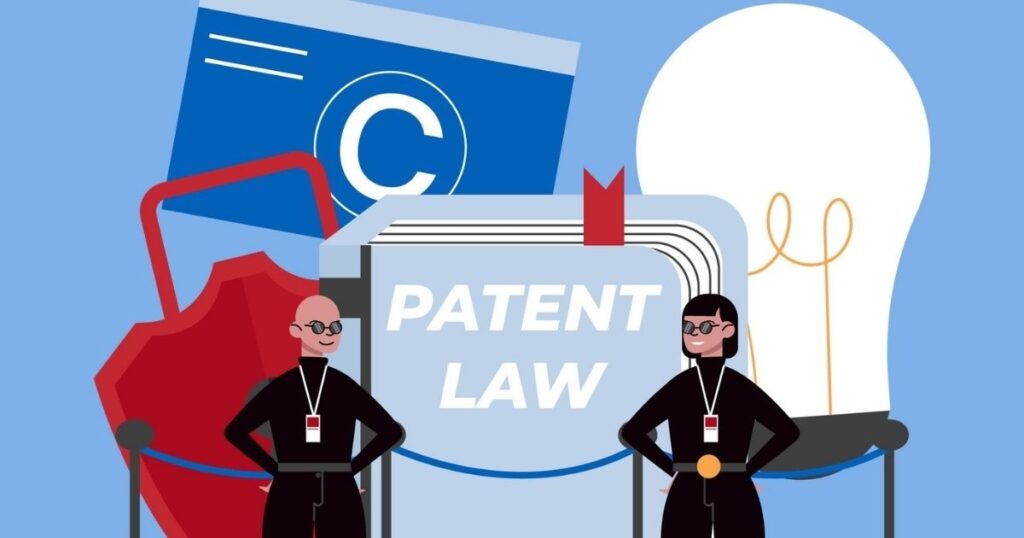
Understanding software copyright vs patent can help developers choose suitable protection. Copyright can protect original code, while patents may protect qualifying technical inventions and their claimed functionality.
A software trade secret protects valuable information that remains confidential. Companies may combine patents, copyright, and trade secrets as part of a broader software intellectual property strategy.
| Protection | Protects | Key limitation |
| Patent | Qualifying invention | Requires examination and disclosure |
| Copyright | Original expression | Doesn’t generally protect functionality |
| Trade secret | Confidential information | Requires secrecy |
The right approach depends on the software, business goals, disclosure plans, and commercial value. Patent protection for software isn’t always the best option for every developer.
Software Patent Examples and Key Takeaways
Common software patent examples include new methods for data compression, database optimization, network security, and memory management. A unique caching mechanism can also be patentable when it provides a specific technical improvement.
The key is the invention’s technical contribution. Strong USPTO software patents usually focus on how the technology works rather than a broad idea. A clear technical problem, specific implementation, and useful result can strengthen the case for software invention protection.
Conclusion
A patent computer program can be possible when the software provides a new and useful technical solution. It must satisfy patent eligibility, novelty, and other requirements under U.S. patent law.
A strong application clearly explains the invention and its technical benefits. Careful patent claims, prior-art research, and proper filing can help secure valuable software patent protection.
FAQs
1. Can You Patent a Computer Program?
Yes, some software inventions can receive patents in the U.S. They must meet patent eligibility and other legal requirements.
2. Does a Software Patent Protect Source Code?
Usually, patents protect the invention’s functionality rather than the exact code. Copyright is generally used to protect the code itself.
3. What Makes Software Patentable?
Software should provide a useful and specific technical solution. It must also meet requirements such as novelty and non-obviousness.
4. Can AI Software Be Patented?
Yes, certain AI-based inventions may qualify for patent protection. The claimed invention must provide a patentable technical implementation.
5. How Long Does a Software Patent Last?
A U.S. utility patent generally lasts 20 years from its effective non-provisional filing date. Maintenance fees are also required during the patent’s life.

Welcome to The Tech Millon! I’m Ethan Clark, an AI-Powered SEO and Content Writer with 4 years of experience. I help websites rank higher, grow traffic, and look amazing. My goal is to make SEO and web design simple and effective for everyone. Let’s achieve more together!