

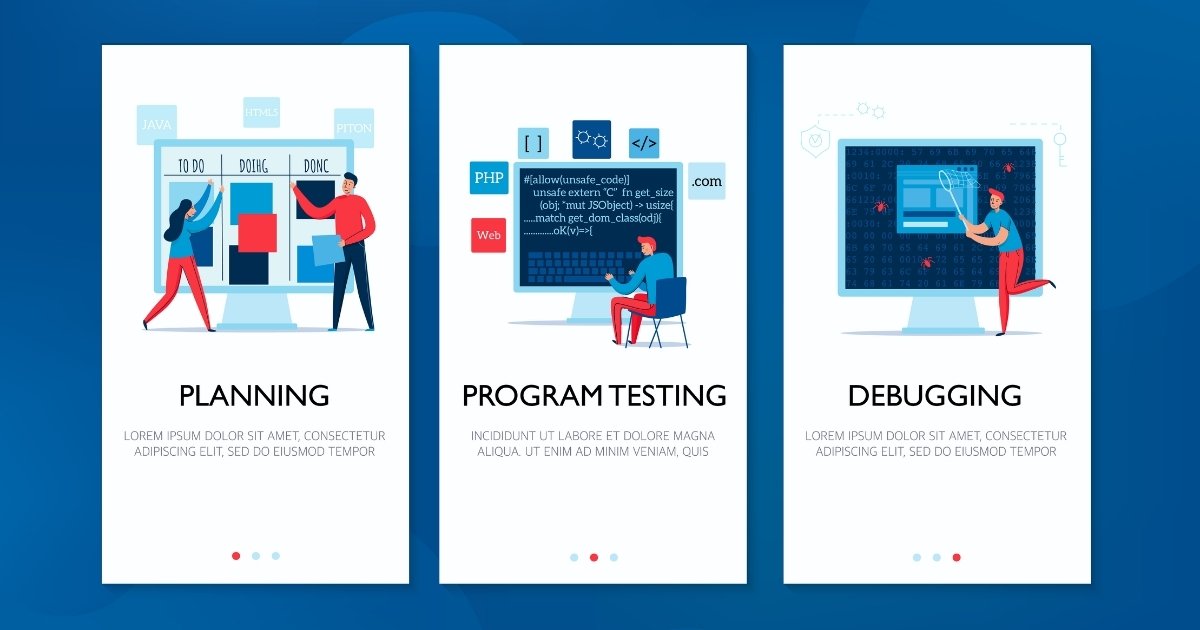
Successful software doesn’t happen by chance. It begins with careful planning and a clear software design specification that guides every stage of development. This document explains how the system will work, helping teams avoid confusion and build reliable software from the start.
A well-prepared software design specification supports better software architecture, smoother software development lifecycle, and stronger teamwork. Whether you’re creating a startup app or an enterprise platform, this document keeps developers, designers, and stakeholders working toward the same goal.
What Is a Software Design Specification?

A software design specification is a technical document that explains how software will be built after requirements are approved. It describes the software design document, software system design, and system architecture needed to transform ideas into a working application.
This document serves as a roadmap for developers throughout the project. It includes details about software modules, database design, interface design, and system behavior. Following a clear design reduces errors, improves communication, and makes future updates much easier.
Software Design Specification Explained
Simply put, a what is a software design specification guide explains the technical side of software before coding begins. It records design decisions, technology choices, and relationships between different system parts. This approach creates organized design documentation and supports a smoother software development process.
Why a Software Design Specification Matters
A software design specification gives every team member a clear direction before development starts. It connects the software requirements specification with the actual implementation, reducing misunderstandings and helping projects stay on schedule. As a result, teams spend less time fixing avoidable mistakes.
Clear planning also improves collaboration between developers, testers, and project managers. Well-organized technical documentation and a detailed software blueprint make reviews easier. They also simplify maintenance when new features or updates are added later.
Benefits of Using a Software Design Specification
A strong software design specification improves software quality by defining functional requirements, non-functional requirements, and design decisions before coding begins. This organized approach supports better testing, faster debugging, and smoother system integration throughout the project lifecycle.
Key Components of a Software Design Specification

Every software design specification should include the essential details needed to build the software correctly. A complete document covers the software architecture design, system components, and module design so every developer understands how the application should function.
It should also explain API documentation, data flow diagrams, and database design to ensure smooth communication between different parts of the system. Clear documentation reduces development risks and helps teams deliver stable software with fewer revisions.
Core Elements Every SDS Should Include
An effective software design specification components section normally includes the project scope, UML diagrams, interface details, security measures, testing strategy, and design patterns. Together, these elements create reliable application architecture that supports future growth and long-term maintenance.
How to Write a Software Design Specification
Writing a software design specification starts with understanding the project goals and user needs. Before coding begins, define the system structure, choose the right software architecture document, and organize all technical details in a clear and logical order.
Next, document the software module design, interface rules, security measures, and data handling process. Keep the document updated as the project grows. Regular reviews improve accuracy and ensure every design decision supports the final product.
Simple Steps to Create an SDS
The way to write a software design specification process becomes easier when you follow a consistent software design workflow. Begin with project scope, define the architecture, document each module, review the design, and complete design validation before development starts.
Common Software Design Specification Template
A standard software design specification template gives every project a clear structure from the beginning. It usually starts with the project overview, objectives, and scope. Then it explains the system design document, architecture, and major technical decisions in a logical sequence.
The template should also include interface details, security requirements, testing plans, and revision history. Using a consistent software documentation template and proper software engineering documentation helps teams maintain quality and makes future updates much easier.
Standard Software Design Specification Format
A practical software design specification format includes sections for project scope, software documentation standards, architecture, module descriptions, APIs, database structure, testing strategy, and approvals. This organized layout keeps information easy to understand and simplifies collaboration across development teams.
Real-World Software Design Specification Example

A simple software design specification example can be an online shopping website. The document explains user login, product management, payment processing, and order tracking. It also defines the software interface specification and interactions between different software services.
For example, when a customer places an order, the design explains how the database stores information and how each module communicates. Clear software project documentation and a detailed software implementation plan help developers build every feature without confusion.
Example of a Software Design Specification Document
A complete software design document example describes project goals, architecture, database structure, APIs, security, and testing requirements. This organized approach improves communication, speeds up development, and ensures every team member follows the same technical plan.
Best Practices for Creating an Effective SDS
An effective software design specification stays clear, organized, and easy to update. Use consistent names, explain technical decisions, and document every important change. Good software documentation best practices improve communication and help developers avoid costly mistakes during implementation.
Review the document regularly with developers, testers, and stakeholders before coding begins. Maintaining proper technical design specification records and completing a thorough software design review ensures the design remains accurate as the project evolves.
Proven Practices for Better Results
Follow proven software design specification best practices by keeping the document simple, maintaining version control, and updating it whenever requirements change. Regular reviews throughout the software design lifecycle help teams build reliable software while reducing risks and unnecessary rework.
Common Mistakes to Avoid in an SDS

Many projects fail because the software design specification is incomplete or outdated. Missing architecture details, unclear requirements, and inconsistent terminology often create confusion. A weak document slows development and increases the chances of expensive errors later.
Another common mistake is ignoring future growth and security needs. Poor software documentation, incomplete technical specifications, and skipped design reviews make maintenance difficult. Keeping the document accurate and updated helps every team member work with confidence.
Mistakes That Delay Software Projects
Avoid using vague descriptions, outdated diagrams, or missing interface details in your design specification for software projects. Regular updates, clear documentation, and proper review cycles improve quality and keep the entire development process organized.
Best Tools for Software Design Specification
The right tools make creating a software design specification faster and more organized. Popular platforms help teams manage diagrams, documentation, collaboration, and version control in one place. They also improve communication and reduce errors during software development.
Many organizations use tools such as Microsoft Visio, Lucidchart, Draw.io, Confluence, Jira, and Figma. These platforms support software design specification tools, API documentation, and software architecture, making it easier to keep projects accurate and well-documented.
| Tool | Best Use |
| Microsoft Visio | System diagrams and architecture |
| Lucidchart | Flowcharts and UML diagrams |
| Draw.io | Free technical diagrams |
| Confluence | Team documentation |
| Jira | Project tracking and collaboration |
| Figma | UI and interface design |
Conclusion
A well-written software design specification creates a strong foundation for every software project. It improves planning, reduces development risks, and keeps the entire team aligned from the first design meeting to the final release. Clear documentation also makes future updates much easier.
Whether you’re building a simple application or a complex enterprise system, investing time in a detailed design document delivers long-term benefits. By following proven methods, using the right tools, and keeping the document updated, you can create reliable software that meets both business and user expectations.
FAQs
1. What is included in a software design specification?
A software design specification includes system architecture, module design, database structure, APIs, security, and technical details needed to build the software.
2. Why is a software design specification important?
It improves team communication, reduces development errors, and provides a clear roadmap for building reliable software.
3. Who is responsible for writing a software design specification?
Software architects, senior developers, and technical leads usually create it with input from stakeholders and business analysts.
4. How often should a software design specification be updated?
It should be updated whenever project requirements, system architecture, or technical decisions change during development.
5. Which tools are commonly used to create a software design specification?
Popular tools include Microsoft Visio, Lucidchart, Draw.io, Confluence, Jira, and Figma for documentation and design.

Welcome to The Tech Millon! I’m Ethan Clark, an AI-Powered SEO and Content Writer with 4 years of experience. I help websites rank higher, grow traffic, and look amazing. My goal is to make SEO and web design simple and effective for everyone. Let’s achieve more together!