
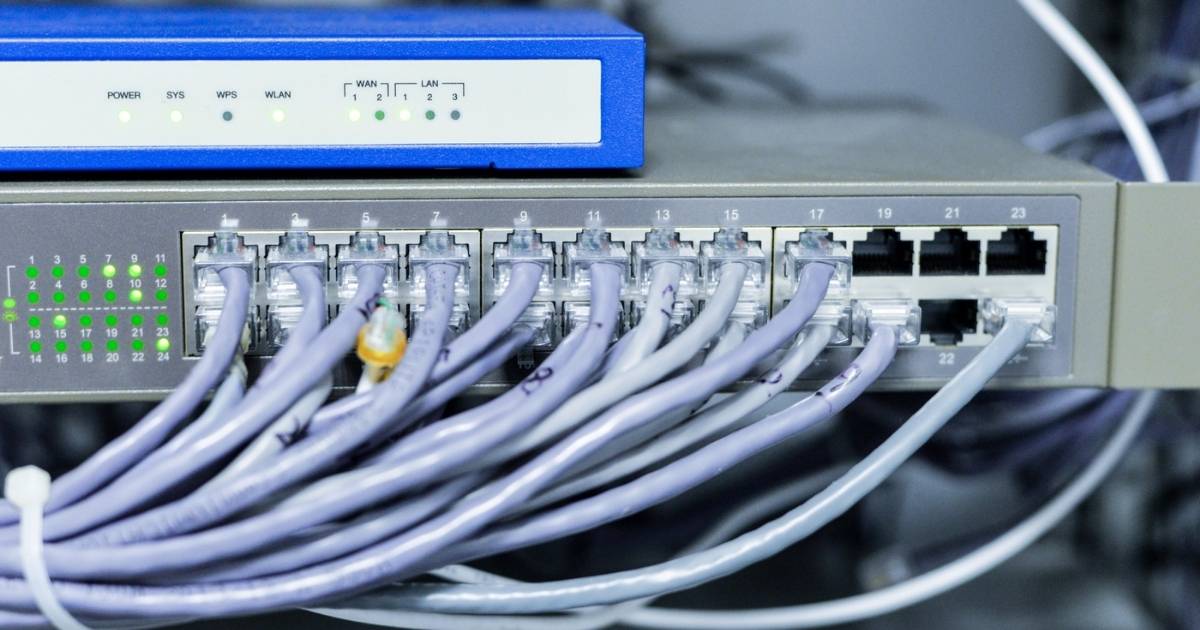
Modern networks need speed, stability, and room to grow. A fiber optic network switch helps businesses transfer data quickly through optical fiber networking while improving overall network connectivity. It also supports reliable communication over long distances with minimal signal loss.
As companies adopt cloud services and digital tools, stronger network infrastructure becomes essential. A fiber optic switch delivers fast optical data transmission, making it ideal for offices, hospitals, schools, and data centers. This guide explains everything you need to know in simple and easy English.
What Is a Fiber Optic Network Switch?

A fiber optic network switch is a networking device that connects computers, servers, and other equipment through fiber optic cables. Unlike copper-based switches, it uses light to transfer data, providing faster speeds and greater reliability. A fiber network switch is widely used where stable and secure communication is essential.
Modern businesses choose a fiber optic switch because it supports higher bandwidth and longer transmission distances. It also reduces signal interference and improves overall network performance. Understanding what is a fiber optic network switch helps you build a future-ready network that meets growing data demands.
Why Fiber Optic Switching Matters in Modern Networking
Today’s organizations handle large amounts of digital traffic every day. A high-speed network switch strengthens network infrastructure by supporting cloud services, video conferencing, and real-time applications. It keeps data flowing smoothly even during periods of heavy network usage.
How Does a Fiber Optic Network Switch Work?
A fiber optic network switch receives data as light signals through fiber optic ports instead of electrical signals. It reads the destination address and forwards the information to the correct device. This process improves network traffic management and supports fast optical signal transmission with very little delay.
The switch uses packet switching to send multiple data packets through the best available path. This method increases speed and reduces network congestion. Learning how a fiber optic network switch works makes it easier to understand why fiber networks deliver better performance than traditional systems.
Step-by-Step Data Flow Inside a Fiber Optic Network Switch
Data first enters the switch through a fiber optic transceiver and is converted into readable information. The switch checks the destination, selects the fastest route, and forwards the packet instantly. This process supports low latency networking, long-distance data transmission, and dependable communication across modern business networks.
Key Components of a Fiber Optic Network Switch
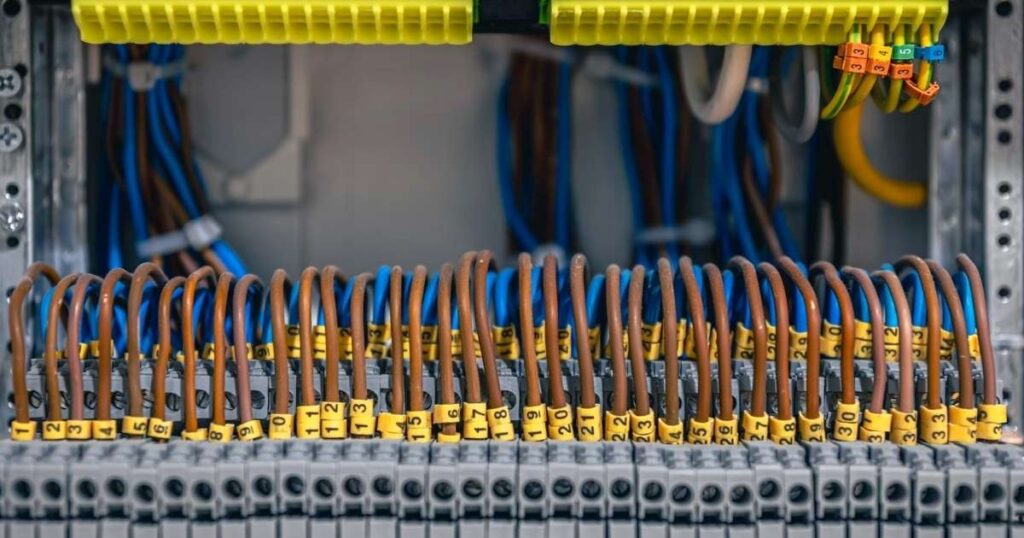
Every fiber optic network switch contains several important parts that work together for reliable communication. Key fiber optic network switch components include fiber optic ports, a switching chip, power supply, and SFP and SFP+ modules. These components help maintain fast and secure data transfer across the network.
The switching chip controls how data moves between connected devices with maximum efficiency. A quality SFP switch also supports flexible upgrades by allowing different transceivers for various speeds and distances. Together, these parts improve network performance optimization and ensure stable secure network connectivity.
Understanding SFP and SFP+ Modules
SFP and SFP+ modules connect fiber cables to the switch and convert optical signals into usable network data. An SFP+ switch commonly supports 10 Gbps speeds, making it ideal for data centers and enterprise environments. Choosing the correct module also improves fiber optic cable compatibility and long-term network reliability.
Types of Fiber Optic Network Switches
Different networks require different switch configurations based on performance and management needs. Common fiber optic network switch types include managed fiber switch, unmanaged fiber switch, smart managed switch, industrial fiber switch, and Gigabit fiber switch. Each type offers unique features for specific networking environments.
Small businesses often prefer an unmanaged fiber switch because it works without complex configuration. Large organizations usually select a managed fiber switch for advanced monitoring, security, and traffic control. A 10 Gigabit fiber switch is an excellent choice for high-speed enterprise and data center networks.
Managed vs Unmanaged Fiber Optic Network Switches
The comparison between managed vs unmanaged fiber switch depends on your network requirements. Managed models offer remote management, VLAN support, and stronger security, while unmanaged switches provide simple plug-and-play operation. Choosing the right option improves enterprise networking solutions and supports long-term business growth.
Benefits of Using a Fiber Optic Network Switch
A fiber optic network switch delivers outstanding speed, reliability, and efficiency for modern networks. The major fiber optic network switch benefits include higher bandwidth, faster communication, and improved scalability. It also supports Ethernet over fiber, allowing businesses to transfer large amounts of data without performance issues.
Unlike traditional networking devices, a fiber Ethernet switch provides stable connections over long distances with minimal interference. It enhances fiber optic communication and reduces downtime in demanding environments. As a result, organizations enjoy better productivity, stronger security, and a more dependable fiber backbone network.
Performance Advantages Over Copper Networks
Copper cables lose signal quality over long distances, while fiber maintains high performance with ease. A LAN switch using fiber technology supports greater bandwidth and consistent speeds for business applications. This makes fiber the preferred choice for organizations that require uninterrupted and high-performance network operations.
Common Applications of Fiber Optic Network Switches
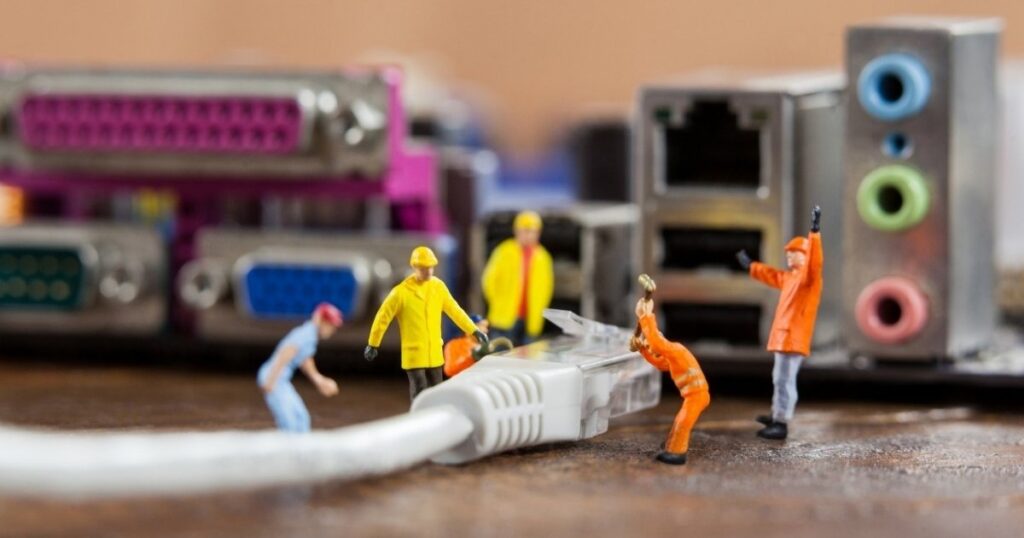
A fiber optic network switch supports many industries that depend on fast and reliable communication. Common fiber optic network switch applications include data center networking, healthcare, education, manufacturing, smart cities, and enterprise offices. These environments require secure and uninterrupted data transfer every day.
Large organizations use a data center switch to manage massive amounts of network traffic with high efficiency. Factories rely on an industrial Ethernet switch for automation systems, while hospitals use enterprise network switch solutions to ensure quick access to medical records and critical applications.
Why Data Centers Depend on Fiber Optic Network Switches
Modern data centers process millions of requests every second and need powerful networking equipment. A high bandwidth network combined with a fiber backbone network delivers faster cloud services, virtualization, and storage access. This improves business continuity while reducing network delays and performance bottlenecks.
Fiber Optic Network Switch vs Ethernet Switch
A fiber optic network switch uses fiber optic cables to transmit data through light signals, while a standard Gigabit Ethernet switch uses copper cables and electrical signals. Fiber offers higher bandwidth, longer transmission distances, and greater resistance to electromagnetic interference, making it ideal for demanding business networks.
A fiber Ethernet switch is the better choice for data centers, enterprise offices, and organizations that need continuous high-speed performance. Traditional Ethernet switches remain suitable for small offices with shorter cable runs. The right choice depends on your network size, budget, and future expansion plans.
Which Switch Is Better for Business Networks?
Businesses handling cloud applications, large file transfers, and real-time communication benefit from fiber technology. A 10G fiber switch delivers faster speeds, lower latency, and better scalability than copper-based alternatives. For growing organizations, fiber provides a long-term investment that supports reliable and future-ready networking.
How to Choose the Right Fiber Optic Network Switch
Choosing the right fiber optic network switch starts with understanding your network size and future requirements. Consider the number of ports, required speed, and expected traffic before making a decision. Choosing the right fiber optic network switch ensures better performance, lower maintenance costs, and long-term scalability.
You should also compare management features, hardware compatibility, and overall reliability. A quality optical network switch with strong fiber optic cable compatibility supports future upgrades without replacing your existing infrastructure. Investing in the right switch today helps avoid costly network changes later.
A Simple Buying Checklist for U.S. Businesses
Before purchasing, evaluate your bandwidth needs, security requirements, and planned business growth. Verify whether a managed or unmanaged model best fits your environment. Selecting the correct switch improves network performance optimization while delivering dependable connectivity for years to come.
Installation and Maintenance Best Practices

Proper fiber optic switch installation is essential for achieving maximum network performance. Install the switch in a clean, well-ventilated location and keep fiber cables protected from sharp bends. Regular inspection of connectors and fiber optic ports helps prevent signal loss and ensures stable communication.
Routine fiber optic network maintenance keeps your equipment operating efficiently for years. Update firmware, monitor network performance, and clean fiber connectors with approved tools. These simple practices improve reliability, reduce unexpected downtime, and extend the life of your networking equipment.
Common Mistakes That Reduce Fiber Network Performance
Many network issues result from poor cable handling, dirty connectors, or incorrect transceiver selection. Using the wrong modules or ignoring maintenance can reduce speed and stability. Following manufacturer guidelines and performing regular inspections helps maintain consistent performance across your entire fiber network.
Conclusion
A fiber optic network switch is the foundation of a fast, secure, and future-ready network. It delivers high-speed communication, excellent scalability, and dependable performance for businesses of every size. Investing in the right solution helps improve efficiency while supporting modern digital applications.
Whether you manage a small office or a large enterprise, selecting the right switch makes a significant difference. Understanding its features, types, benefits, and maintenance requirements allows you to build a reliable network that performs well today and continues to meet your needs in the future.
FAQs
1. What is a fiber optic network switch used for?
A fiber optic network switch connects devices using fiber optic cables for fast, secure, and reliable data communication.
2. Is a managed fiber switch better than an unmanaged switch?
A managed fiber switch offers advanced control and security, while an unmanaged switch is easier to install and use.
3. Can a fiber optic network switch support long-distance communication?
Yes, fiber optic switches provide long-distance data transmission with minimal signal loss and high performance.
4. What industries commonly use fiber optic network switches?
They are widely used in data centers, healthcare, manufacturing, education, telecommunications, and enterprise networks.
5. How do I choose the right fiber optic network switch?
Consider your network size, speed requirements, port count, management features, and future expansion before buying.

Welcome to The Tech Millon! I’m Ethan Clark, an AI-Powered SEO and Content Writer with 4 years of experience. I help websites rank higher, grow traffic, and look amazing. My goal is to make SEO and web design simple and effective for everyone. Let’s achieve more together!