


Modern factories depend on smart technology to increase speed and accuracy. Automation guarding systems protect workers from moving machinery while improving workplace safety. They also help businesses reduce accidents and keep production running without costly interruptions.
As industrial automation continues to grow, reliable safety becomes more important than ever. From robot guarding to machine guarding, today’s automation guarding systems create safer works
What Are Automation Guarding Systems?
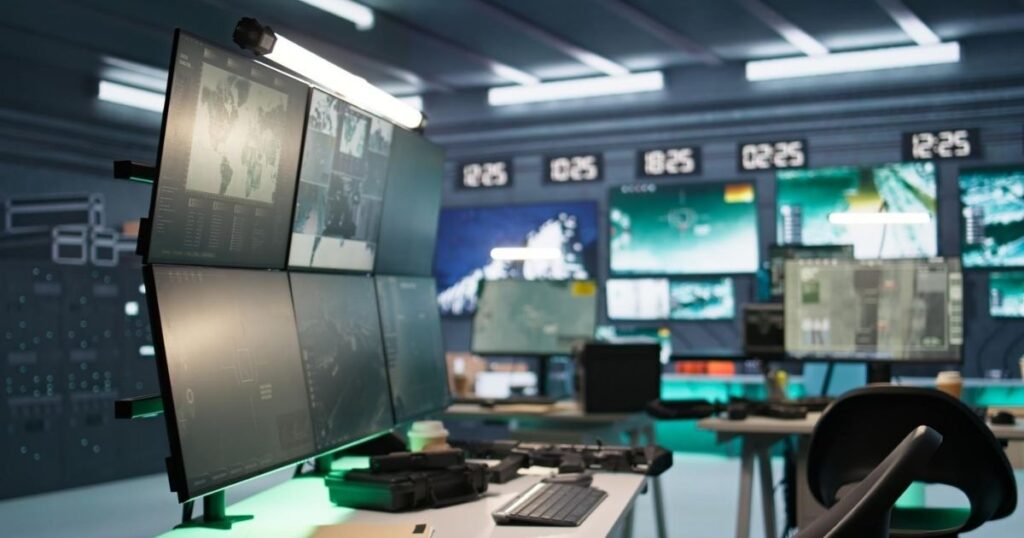
Automation guarding systems are protective solutions that separate people from dangerous automated machinery. They include machine enclosures, perimeter fencing, and protective barriers that reduce accidents while allowing equipment to operate safely. These systems play a vital role in modern manufacturing facilities.
You can find automation guarding systems in factories, warehouses, and robotic production lines. They combine industrial machine guarding, robotic safety systems, and machine safety barriers to protect workers without slowing production. A well-designed guarding system also improves industrial equipment protection and daily operations.
Why Automation Guarding Systems Are Important
Every workplace with industrial robots and fast-moving equipment needs reliable automation guarding systems. They reduce the chance of injuries by separating workers from hazardous areas. This protection creates a safer environment while helping employees perform their jobs with greater confidence.
Strong automation guarding also improves business performance over time. It supports employee safety, helps meet OSHA compliance, and reduces expensive downtime caused by accidents. Companies that invest in industrial safety guarding and manufacturing safety systems often see higher productivity and lower maintenance costs.
Types of Automation Guarding Systems
Different automation guarding systems are designed for different machines and production needs. Common options include wire mesh safety panels, safety fence panels, machine enclosures, and polycarbonate safety guards. Each solution provides reliable protection while allowing operators to monitor equipment safely.
Many factories also use perimeter guarding, modular guarding systems, T-slot aluminum guarding, and custom machine guards around robotic cells and automated equipment. These machine guarding solutions improve automated production safety and can be customized to fit almost any industrial workspace.
Key Benefits of Automation Guarding Systems

Installing automation guarding systems delivers long-term value beyond accident prevention. They improve workplace machine safety, protect expensive industrial equipment, and reduce unexpected downtime. As a result, businesses maintain steady production while lowering repair and replacement costs.
Modern automation safety solutions also support machine safety compliance and industrial safety regulations. They create organized work areas, increase employee confidence, and protect valuable assets. Companies that invest in factory safety solutions and safety guarding equipment often experience safer operations and stronger overall performance.
Applications of Automation Guarding Systems
Automation guarding systems are widely used in automotive plants, food processing facilities, warehouses, and electronics manufacturing. They protect workers around production lines, robotic workstations, and conveyor systems. These solutions improve safety while keeping daily operations smooth and efficient.
Many industries rely on robot cell guarding, industrial safety barriers, and custom guarding systems to secure high-risk areas. Whether handling packaging, welding, or assembly, these systems strengthen factory automation, improve industrial automation safety, and reduce operational risks across every stage of production.
Safety Standards and Compliance
Following safety regulations is essential when installing automation guarding systems. Companies should meet ANSI standards, OSHA machine guarding requirements, and other safety compliance rules. These guidelines reduce workplace hazards while helping businesses avoid legal issues and costly penalties.
Regular inspections and risk assessments keep automation guarding systems performing at their best. Proper maintenance ensures guards remain effective around automation equipment and supports long-term industrial safety solutions. Staying compliant also builds employee trust and creates a safer working environment.
How to Choose the Right Automation Guarding System

Selecting the right automation guarding systems depends on your machinery type, workspace design, and safety requirements. Start by identifying potential risks around moving machinery, operator access points, and production areas. A proper evaluation helps you choose effective machine protection without limiting workflow.
Consider factors like durability, visibility, and future expansion before making a decision. Custom guarding systems can fit unique equipment layouts while maintaining safety risk reduction. A well-planned solution balances protection, accessibility, and productivity for long-term industrial performance.
Best Practices for Installation and Maintenance
Proper installation ensures automation guarding systems provide maximum protection and reliable performance. Professionals should follow manufacturer guidelines, evaluate machine layouts, and secure all components correctly. A carefully installed system prevents gaps, weak points, and unnecessary safety risks.
Regular inspections help maintain effective safety enclosures and industrial safety barriers over time. Teams should check for damage, loose parts, and wear in safety fence panels or protective structures. Routine maintenance supports workplace safety and keeps equipment operating smoothly.
Future of Automation Guarding Systems

The future of automation guarding systems is moving toward smarter and more connected safety technologies. Advanced sensors, artificial intelligence, and real-time monitoring are improving how factories manage risks. These innovations support faster responses and stronger industrial safety solutions.
Modern facilities are adopting intelligent robotic safety systems that communicate with machines and detect potential hazards. Integration with IoT devices and smart controls will make industrial automation safety more efficient. As factories become more advanced, flexible and adaptive guarding solutions will continue shaping safer workplaces.
Conclusion
Automation guarding systems have become a critical part of modern industrial environments where safety and productivity must work together. These systems protect employees, secure valuable machinery, and support efficient operations through advanced machine guarding solutions and reliable protective designs.
From perimeter guarding to advanced robotic protection, these solutions help businesses create safer production areas. By following OSHA machine guarding requirements and choosing the right system, companies can achieve better workplace machine safety while preparing for future automation needs.
FAQs
What are automation guarding systems used for?
Automation guarding systems protect workers from dangerous machines and create safer production areas.
Why are automation guarding systems important?
They reduce workplace risks, improve employee safety, and support safety compliance in factories.
Which industries use automation guarding systems?
Automotive, manufacturing, packaging, and food industries use them for safer operations.
How do automation guarding systems support OSHA compliance?
They follow OSHA machine guarding rules to reduce hazards around industrial equipment.
Can automation guarding systems be customized?
Yes, they can include custom designs for different machines, layouts, and safety needs.

Welcome to The Tech Millon! I’m Ethan Clark, an AI-Powered SEO and Content Writer with 4 years of experience. I help websites rank higher, grow traffic, and look amazing. My goal is to make SEO and web design simple and effective for everyone. Let’s achieve more together!