

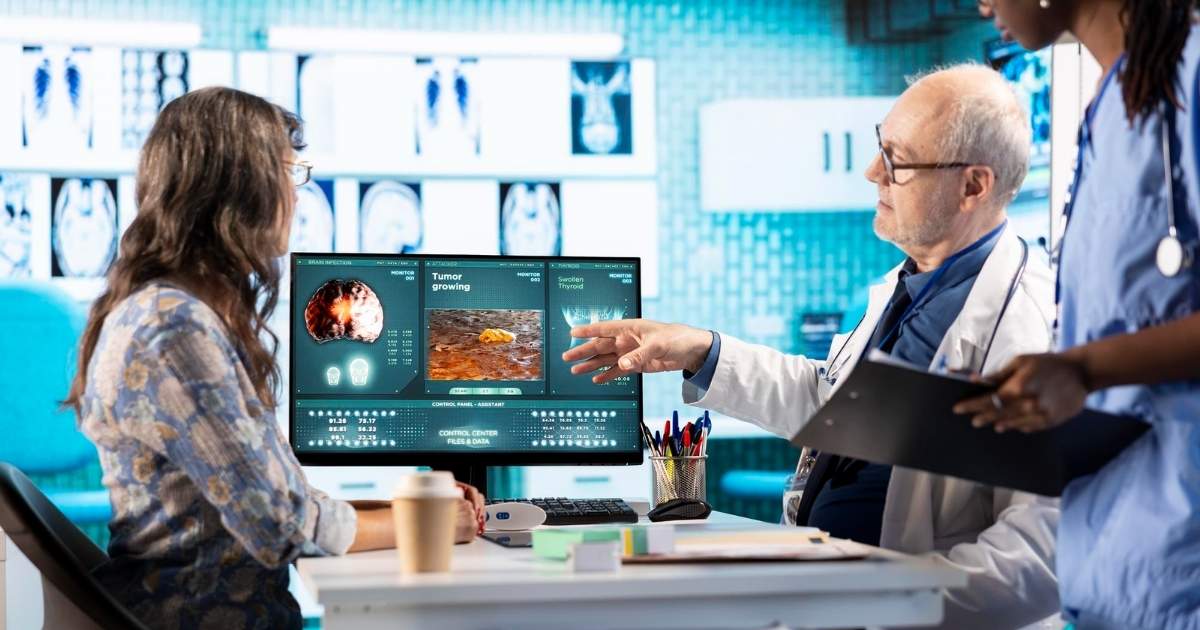
Healthcare can become fragmented when patients move between primary care, specialists, hospitals, laboratories, and community services. Managed clinical networks offer a structured way to connect these services around shared clinical goals. This approach supports care coordination, clearer communication, and more consistent treatment across different healthcare settings.
For a U.S. audience, the concept is especially relevant because healthcare delivery often spans independent organizations and disconnected information systems. AHRQ describes care coordination as organizing patient-care activities among participants to support appropriate healthcare delivery.
What Are Managed Clinical Networks?

The managed clinical networks definition centers on a group of healthcare organizations and professionals working together around a defined clinical need. These healthcare clinical networks may connect primary care, specialists, hospitals, laboratories, and community services without requiring every organization to become one company.
Unlike simple referral relationships, networks establish shared goals, pathways, responsibilities, and quality expectations. Clinical network management helps maintain those connections while clinical governance provides oversight. The model is widely described in England, while U.S. systems often use related approaches through integrated delivery and care-coordination models.
How Do Managed Clinical Networks Work?
Understanding how managed clinical networks work starts with the patient journey. A person may enter through primary care and then move toward diagnostics, specialist treatment, rehabilitation, or follow-up. Network participants coordinate these transitions through agreed patient care pathways and communication processes.
The clinical network management process depends on defined responsibilities, information exchange, referral arrangements, and shared standards. In the United States, electronic notifications and health information exchange can support communication when patients move between care settings.
Key Components of Clinical Networks

The components of clinical networks usually include participating providers, clinical leadership, shared protocols, communication systems, quality measures, and accountability structures. Together, these elements create a framework for clinical collaboration rather than leaving every provider to solve coordination problems independently.
Strong networks also need technology that supports healthcare integration without replacing professional judgment. EHR connectivity, referral tools, dashboards, and secure information exchange can help professionals access useful information when they need it. AHRQ notes that EHR-based approaches are an important area of care-coordination measurement.
Benefits of Managed Clinical Networks
The benefits of managed clinical networks become clearer when care involves several providers. Better communication can reduce unnecessary repetition, support smoother referrals, and strengthen coordinated patient care. Patients can experience a more connected journey instead of repeatedly explaining the same problem to different teams.
For organizations, networks can encourage healthcare quality improvement, better resource planning, and shared expertise. They can also support patient-centered care by focusing services around population needs rather than organizational boundaries. NHS England identifies quality, collaboration, service delivery, workforce, and population health among key network functions.
Role of Healthcare Professionals
The role of healthcare professionals is central because technology alone cannot create effective collaboration. Physicians, nurses, pharmacists, therapists, specialists, administrators, and other staff must understand their responsibilities and communicate around shared patient goals.
Successful networks depend on multidisciplinary healthcare teams that can exchange expertise while respecting professional roles. These multidisciplinary clinical teams can also strengthen evidence-based clinical practice by sharing knowledge, reviewing outcomes, and agreeing on appropriate standards for care.
Challenges in Clinical Network Management

The challenges in clinical network management often begin with fragmentation. Different organizations may use incompatible systems, follow different procedures, or have competing priorities. AHRQ identifies fragmented information technology, limited resources, and provider coordination difficulties among barriers to effective coordination in U.S. healthcare.
Privacy, governance, funding, workforce capacity, and accountability can add another layer of complexity. Effective healthcare network management therefore requires clear decision-making structures and reliable communication. Without those foundations, healthcare service coordination can become another administrative burden instead of improving care.
Measuring Clinical Network Performance
Good intentions need measurable results. Clinical network performance can be assessed through access, referral completion, patient experience, safety, treatment outcomes, readmissions, and other relevant indicators. A network should select measures that reflect its clinical purpose rather than collecting data simply because it is available.
Measuring network performance can combine clinical data, patient feedback, operational reports, and EHR information. AHRQ highlights EHR-based measurement and social network analysis as developing approaches for understanding care coordination. This makes monitoring clinical outcomes increasingly valuable for continuous improvement.
| Performance Area | What It Can Show |
| Patient outcomes | Whether care is producing meaningful clinical results |
| Access | Whether patients reach appropriate services promptly |
| Referrals | Whether transitions occur correctly and efficiently |
| Patient experience | Whether care feels connected and understandable |
| Clinical quality | Whether providers follow agreed standards |
| Network activity | How effectively participating organizations collaborate |
Future of Managed Clinical Networks

The future of managed clinical networks will likely become more digital, connected, and outcome-focused. Artificial intelligence, remote monitoring, telehealth, predictive analytics, and interoperable health records could help teams identify risks and coordinate services earlier.
At the same time, technology won’t remove the need for human judgment. Strong healthcare delivery systems will still depend on trust, communication, and accountable leadership. As network-based healthcare develops, successful models will likely combine digital tools with flexible teams and measurable patient goals.
Conclusion
Effective clinical networks connect people, information, expertise, and services around a shared purpose. When designed carefully, they can strengthen healthcare outcomes, improve communication, and make complex care easier to navigate. Their success depends on governance, technology, professional collaboration, measurement, and genuine attention to patient needs.
For U.S. healthcare organizations, the broader lesson is simple: connected care requires more than sending referrals. It requires systems that help professionals coordinate decisions, share useful information, and improve continuously. That foundation can make healthcare integration more practical while supporting safer and more consistent care.
FAQs
1. What are managed clinical networks?
Managed clinical networks connect healthcare providers around shared clinical goals. They improve communication, coordination, and consistency across different healthcare services.
2. How do managed clinical networks improve patient care?
They help providers share information and coordinate treatment more effectively. This can create smoother patient care pathways and better patient experiences.
3. What are the main benefits of managed clinical networks?
They can improve care coordination, clinical collaboration, service access, and healthcare quality. They also help providers work toward better patient outcomes.
4. What challenges affect clinical network management?
Common challenges include poor communication, data-sharing barriers, limited resources, and unclear responsibilities. Strong governance can help address these problems.
5. How is clinical network performance measured?
Performance can be measured through patient outcomes, care quality, access, referrals, and patient satisfaction. These measures show whether the network is meeting its clinical goals.

Welcome to The Tech Millon! I’m Ethan Clark, an AI-Powered SEO and Content Writer with 4 years of experience. I help websites rank higher, grow traffic, and look amazing. My goal is to make SEO and web design simple and effective for everyone. Let’s achieve more together!