

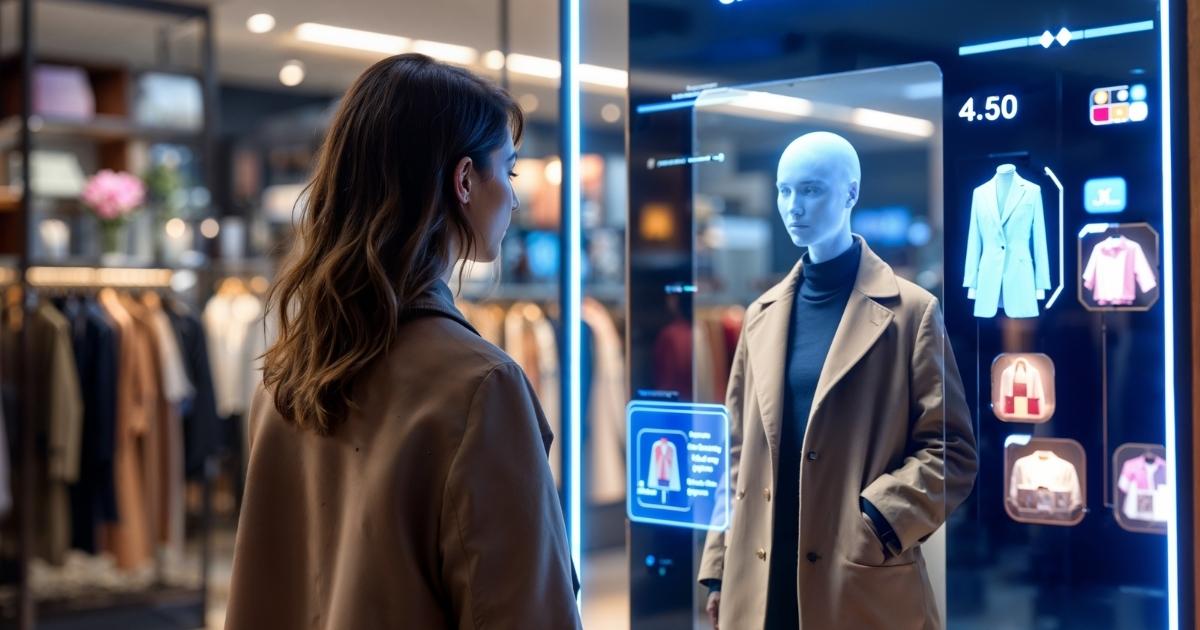
Retail is changing quickly as stores demand better accuracy, faster service, and lower operating costs. Retail computer vision helps turn ordinary cameras into intelligent tools that understand shelves, products, shoppers, and checkout activity.
Instead of simply recording camera footage, modern systems can detect problems and trigger useful actions. This shift makes AI-powered retail more responsive while giving store teams better information when it matters most.
What Is Retail AI Vision Automation?
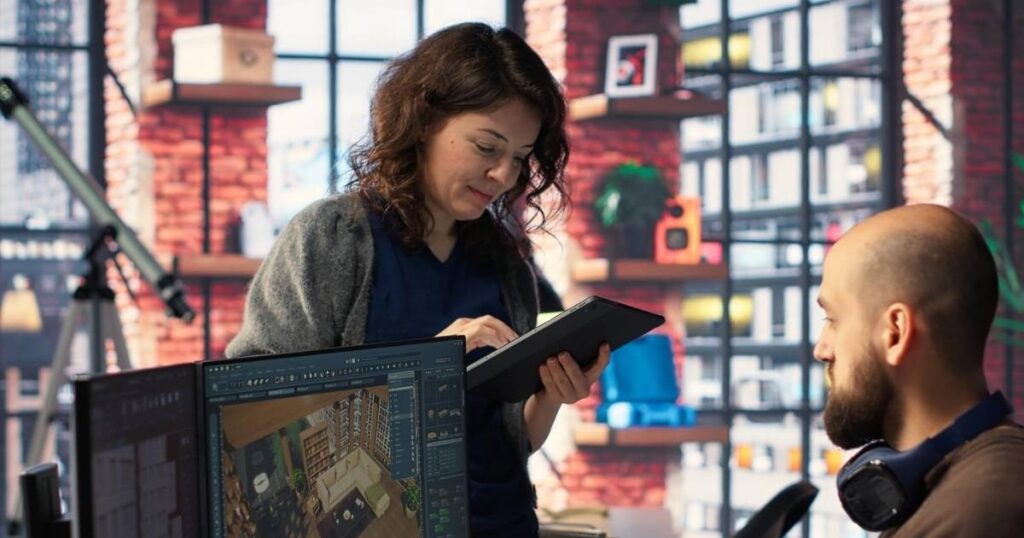
Retail AI vision automation combines computer vision, machine learning, and artificial intelligence to understand visual activity inside stores. AI models examine images from cameras and identify products, people, shelf conditions, and unusual events.
The key difference is action. A system can detect shelf gaps, recognize the affected product, and send a restocking task. This creates automated decision-making instead of leaving employees to review footage or dashboards manually.
Why Retailers Need AI Vision Automation in 2026
Retailers face constant pressure to keep shelves full, control shrink, and improve checkout speed. Retail vision AI helps stores capture operational information continuously rather than relying only on manual inspections.
Technology has also become more practical. Edge AI and edge computing can process visual information closer to the camera. This supports faster real-time detection while reducing unnecessary movement of large video streams.
Key Applications of Retail AI Vision Automation
Retail AI vision automation can support many store operations through one connected vision layer. Common applications include shelf monitoring, inventory visibility, checkout assistance, loss prevention, customer analytics, and promotional checks.
This makes AI vision automation more valuable than a single-purpose camera system. When connected with inventory, pricing, workforce, and POS platforms, retail process automation can turn visual events into useful business workflows.
AI-Powered Shelf and Inventory Monitoring
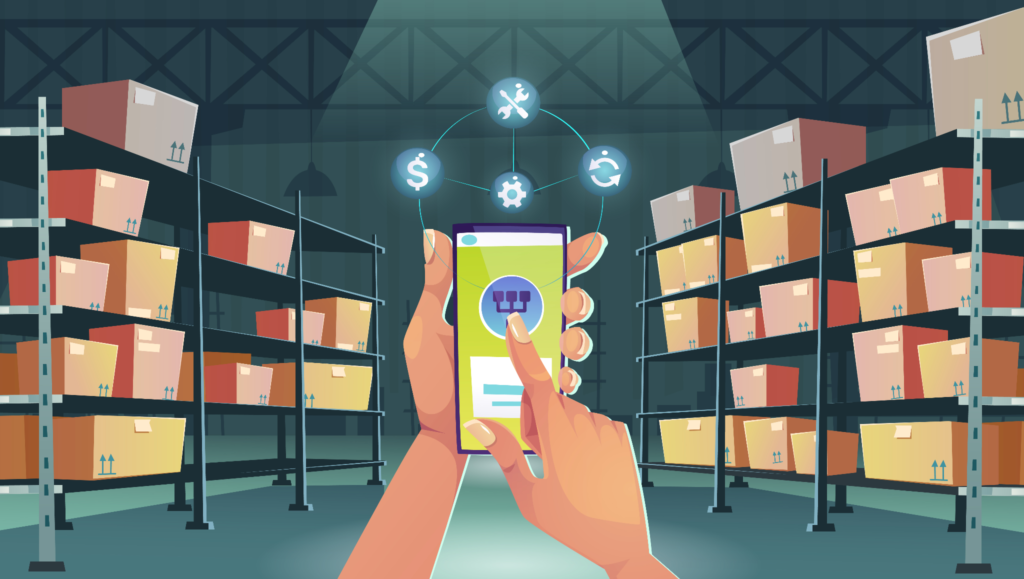
Empty shelves can create lost sales even when products remain somewhere inside the store. Shelf monitoring uses computer vision in retail to identify gaps, misplaced products, and shelf conditions while supporting planogram compliance.
The same system can strengthen inventory tracking through continuous inventory counting and real-time stock tracking. When connected with demand forecasting, it can support predictive replenishment before shoppers encounter missing products.
| Retail Task | AI Vision Capability | Potential Result |
| Shelf monitoring | Detects gaps and misplaced products | Better availability |
| Inventory tracking | Counts visible products | Better stock accuracy |
| Planogram checks | Compares shelf layouts | Better execution |
| Replenishment | Sends alerts and tasks | Faster response |
| Promotions | Checks displays and prices | Better compliance |
Checkout, Loss Prevention and Store Security
Checkout is becoming another major area for retail automation. Vision systems can support self-checkout through item recognition and scan verification. Advanced formats can also use autonomous checkout and cashierless models.
Security systems can move beyond recording incidents. Theft detection, unusual behavior detection, and cart anomaly detection can generate real-time alerts while an event occurs. Human employees can then review the situation and decide the appropriate response.
Customer Behavior and Store Analytics
Online stores can measure clicks and browsing paths with ease. Physical retailers have traditionally had less insight into shopper behavior. Customer behavior analytics can now measure shopper movement, dwell time, and traffic patterns inside stores.
These insights can improve store layout optimization. For example, heat map analytics may reveal an ignored aisle or crowded area. Managers can adjust displays, signage, or staffing and then measure whether shopper behavior changes.
Benefits, ROI and Implementation Challenges
Retail AI ROI depends heavily on the problem being solved. A store with frequent stockouts may gain more from shelf analytics than checkout automation. Another retailer may prioritize shrink reduction, queue management, or labor efficiency.
Implementation still requires planning. Cameras, edge hardware, integrations, and a reliable data pipeline all matter. Strong privacy governance and AI risk management are also essential when systems analyze people or sensitive store activity.
Future of Retail AI Vision Automation
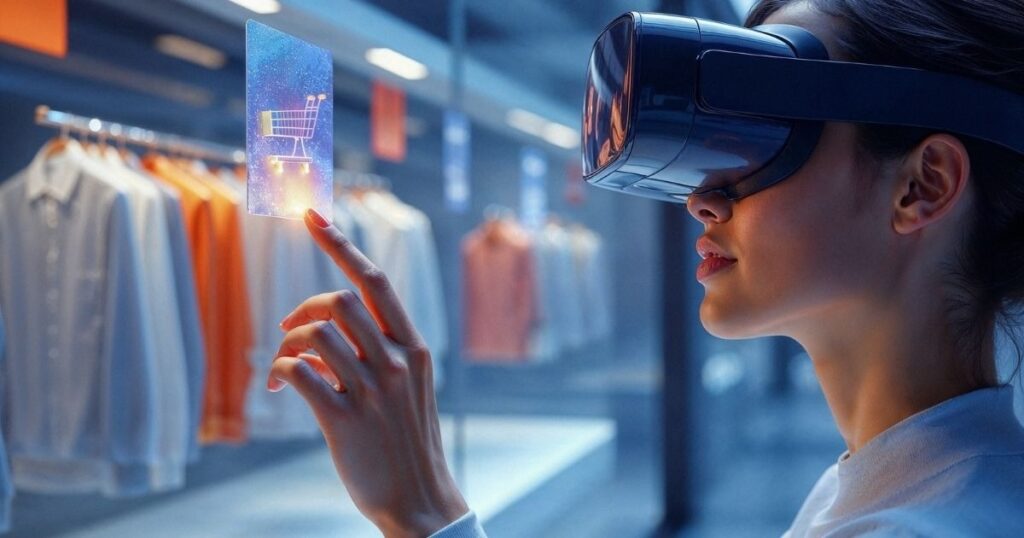
The next phase of retail AI vision automation will move from simple detection toward systems that can decide and act within defined limits. A system could detect a shelf problem, check inventory, create a task, and verify the completed restock.
This direction will bring retail AI agents deeper into daily operations. Connected AI agents could work with inventory systems, pricing systems, and workforce platforms while human-in-the-loop controls keep important decisions under human supervision.
Conclusion
Retail AI vision automation is changing cameras from passive recording devices into active sources of operational intelligence. It can improve inventory visibility, checkout experiences, loss prevention, store security, and customer understanding.
The smartest strategy isn’t to automate everything immediately. Start with one measurable problem and build from there. With careful AI integration, clear governance, and reliable measurement, vision technology can become a powerful foundation for modern retail.
FAQs
1. What Is Retail AI Vision Automation?
It uses cameras, AI, and computer vision to understand store activity. It can monitor shelves, products, checkout areas, and customer movement.
2. How Does AI Vision Improve Retail Inventory?
It detects missing, misplaced, and low-stock products in real time. This helps retailers improve inventory accuracy and restock products faster.
3. Can AI Vision Reduce Retail Theft?
Yes, it can identify unusual activity and potential theft events. Real-time alerts help employees respond before losses become larger.
4. How Does AI Vision Improve Checkout?
It can recognize products and verify checkout activity automatically. This supports faster self-checkout, frictionless checkout, and cashierless shopping.
5. What Should Retailers Automate First?
Retailers should start with a problem that has a clear business cost. Shelf availability, inventory accuracy, checkout, and loss prevention are strong options.

Welcome to The Tech Millon! I’m Ethan Clark, an AI-Powered SEO and Content Writer with 4 years of experience. I help websites rank higher, grow traffic, and look amazing. My goal is to make SEO and web design simple and effective for everyone. Let’s achieve more together!