
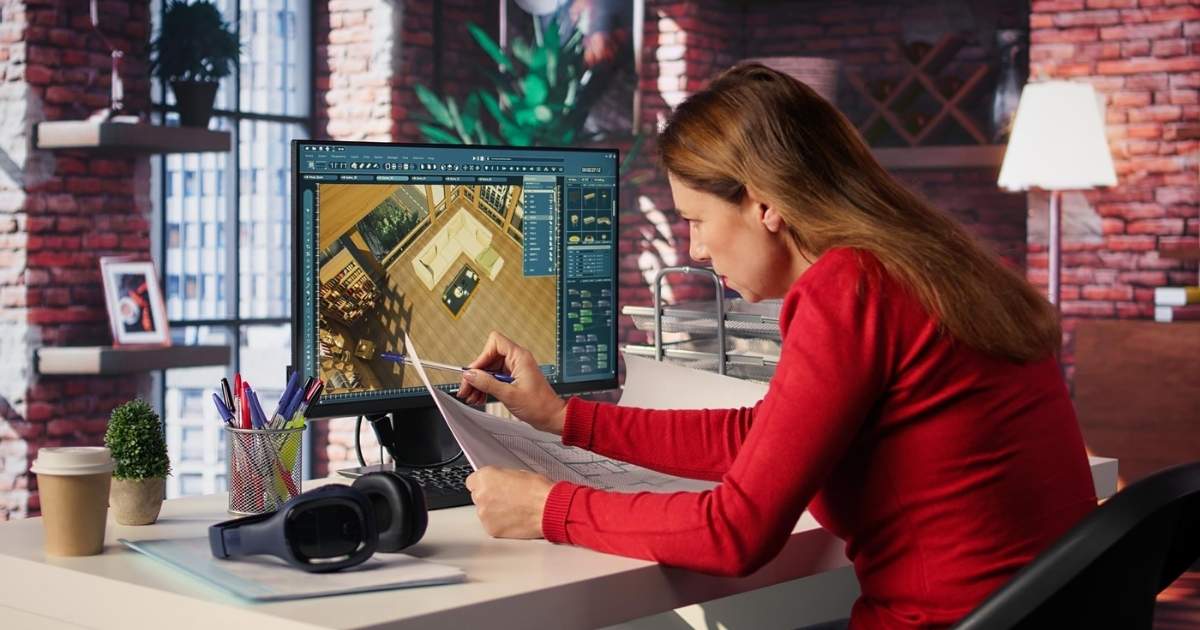
Fashion design is moving from physical samples to digital workflows. With 3D clothing design software, designers can create garments, test fabrics, adjust patterns, and review fit before making a physical sample. This makes the design process faster, more visual, and easier to refine.
Modern 3D fashion design software also helps fashion brands, apparel designers, and manufacturers reduce unnecessary sampling. Tools such as CLO3D, Marvelous Designer, Browzwear VStitcher, and Style3D combine 3D garment modeling, fabric simulation, digital patterns, and realistic visualization in one workflow.
What Is 3D Clothing Design Software?
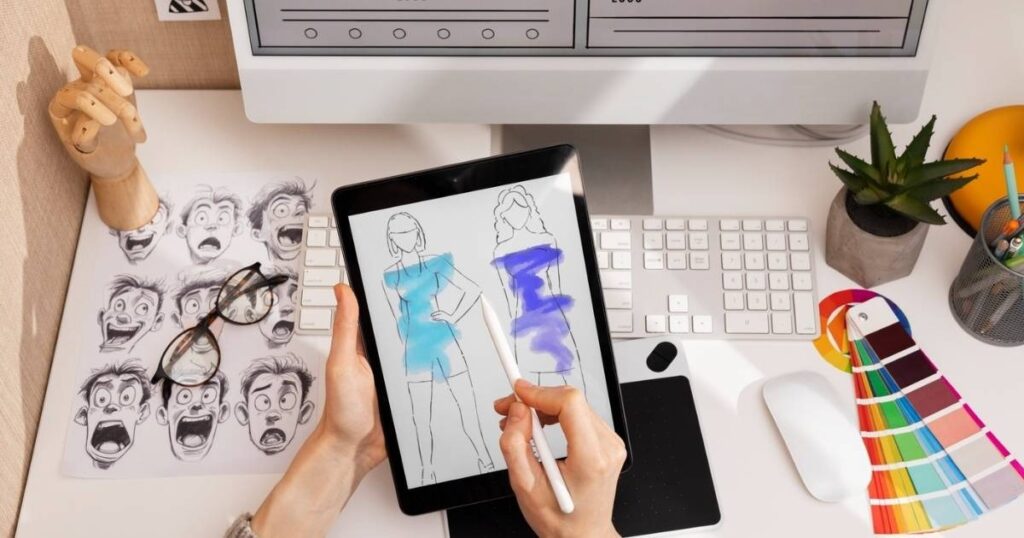
3D clothing design software is a digital tool used to create, modify, and visualize garments in three dimensions. Designers can work with 2D patterns, apply fabrics, stitch garment pieces, and see how clothing fits on a virtual avatar. Instead of depending only on sketches, designers can view the finished garment from different angles.
These platforms support digital clothing design, virtual clothing design, and 3D apparel modeling. Depending on the software, users can also perform garment fitting, pattern grading, fabric draping, rendering, and virtual sampling. This creates a digital version of the garment that can be reviewed before physical production begins.
How Does 3D Clothing Design Work?
The process usually begins with a digital pattern or a basic garment shape. Designers create or import digital patterns and connect garment pieces inside the software. The program then uses cloth simulation and fabric properties to show how the material behaves on a virtual body.
After the first simulation, designers can change measurements, seams, fabric settings, colors, and construction details. Advanced 3D garment design software can display tension areas, wrinkles, draping, and fit problems. Designers can then create virtual samples and realistic renders without producing a new physical sample for every revision.
Best 3D Clothing Design Software
Several tools are available for different levels of fashion design, visualization, and production. CLO3D is widely used for digital garment development, while Browzwear VStitcher focuses strongly on fit, virtual sampling, and apparel product development. Style3D combines 3D simulation with digital product creation and production workflows.
Marvelous Designer is particularly useful for detailed clothing creation and creative 3D workflows, while Blender offers powerful open-source 3D modeling and cloth simulation. Optitex, TUKA3D, and Adobe Substance 3D can also support areas such as pattern development, garment visualization, digital materials, and photorealistic rendering.
| Software | Best For | Main Strength |
| CLO3D | Fashion designers | 3D garments and virtual sampling |
| Browzwear VStitcher | Apparel brands | Fit and product development |
| Style3D | Digital fashion teams | Simulation and digital workflows |
| Marvelous Designer | 3D artists | Detailed garment creation |
| Optitex | Apparel production | Pattern and CAD workflows |
| TUKA3D | Clothing manufacturers | 3D apparel development |
| Blender | 3D creators | Modeling and cloth simulation |
| Adobe Substance 3D | Visual design | Materials and textures |
Key Features to Look For
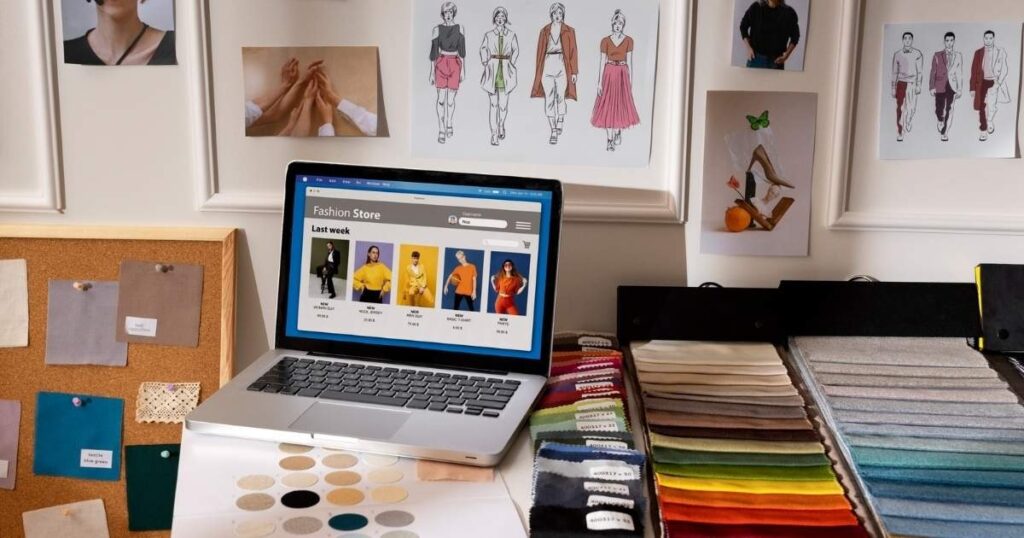
The right clothing design software should provide more than simple 3D modeling. Look for tools that support pattern making, fabric simulation, garment fitting, measurement adjustments, material editing, and realistic rendering. These features help designers move from an initial concept to a usable digital garment.
Production-focused platforms may also include fashion CAD software capabilities such as pattern grading, marker making, tech packs, and production data. Features such as fabric texture, fabric draping, avatar customization, and 3D rendering are also valuable when the goal is to create accurate garment visualization.
Free vs Paid Clothing Design Software
Free software can be a practical starting point for students, independent designers, and creators learning 3D fashion design tools. Blender is a major example because it is free and open source, while also providing modeling, simulation, and rendering capabilities. However, it does not offer the same fashion-specific pattern workflow as dedicated apparel platforms.
Paid apparel design software generally provides more specialized tools for professional garment development. Depending on the platform, users may get advanced fabric simulation, production-ready patterns, grading, collaboration, digital materials, and virtual sampling. The right choice depends on whether you need creative visualization, fashion development, or a complete production workflow.
How to Choose the Right Software
Start by defining what you actually want to create. If your goal is professional apparel development, prioritize 3D garment modeling, pattern editing, accurate fabric simulation, and production compatibility. If your focus is animation, gaming, or visual content, a general 3D platform may provide more creative flexibility.
You should also consider your experience level, computer hardware, learning curve, pricing, file compatibility, and manufacturer requirements. A tool that looks impressive may still be unsuitable if it cannot fit your existing workflow. Before subscribing, check whether the software supports the patterns, fabrics, avatars, exports, and collaboration features you need.
Benefits of 3D Clothing Design
One major advantage of digital garment design is speed. Designers can change a pattern and immediately inspect the updated garment in 3D. This reduces dependence on repeated physical prototypes and makes it easier to identify construction or fitting problems during the development stage.
3D workflows can also improve virtual garment design, product visualization, and communication between design and production teams. Realistic digital garments can be shared with buyers, manufacturers, and marketing teams before physical samples exist. This can support faster approvals while helping reduce material use and unnecessary sampling.
Tips for Using 3D Clothing Software
Begin with accurate measurements and realistic fabric settings. Poor input data can make even advanced 3D clothing design tools produce misleading results. Spend time learning how fabric weight, stretch, thickness, friction, and bending affect the final garment.
It is also useful to build a consistent digital workflow. Organize patterns, materials, avatars, textures, and garment versions clearly so revisions remain easy to manage. Over time, this approach can make virtual product development more efficient and improve the quality of digital samples and final production decisions.
Conclusion
3D clothing design software has become an important part of modern digital fashion design. It allows designers to develop garments, simulate materials, check fit, create virtual samples, and visualize products without relying entirely on physical prototypes.
From CLO3D and Browzwear to Style3D, Marvelous Designer, Blender, and other platforms, each tool serves different needs. Choosing the right software depends on your design goals, technical skills, production workflow, and budget.
FAQs
1. What is 3D clothing design software?
It is software that lets designers create, simulate, edit, and visualize garments in a digital 3D environment before physical production.
2. Which 3D clothing software is best for beginners?
Blender can be a useful free starting point, while fashion-specific platforms may be easier for users focused specifically on garment design.
3. Is 3D clothing design software free?
Some tools are free, while professional fashion platforms usually require paid plans or licenses. Features and pricing vary by software.
4. Can 3D software replace physical clothing samples?
It can reduce the number of physical samples needed, but physical samples may still be required for final validation, materials, and manufacturing checks.
5. What can you create with 3D clothing software?
You can create digital garments, simulate fabrics, test fit, edit patterns, produce virtual samples, and generate realistic product visualizations.

Welcome to The Tech Millon! I’m Ethan Clark, an AI-Powered SEO and Content Writer with 4 years of experience. I help websites rank higher, grow traffic, and look amazing. My goal is to make SEO and web design simple and effective for everyone. Let’s achieve more together!