

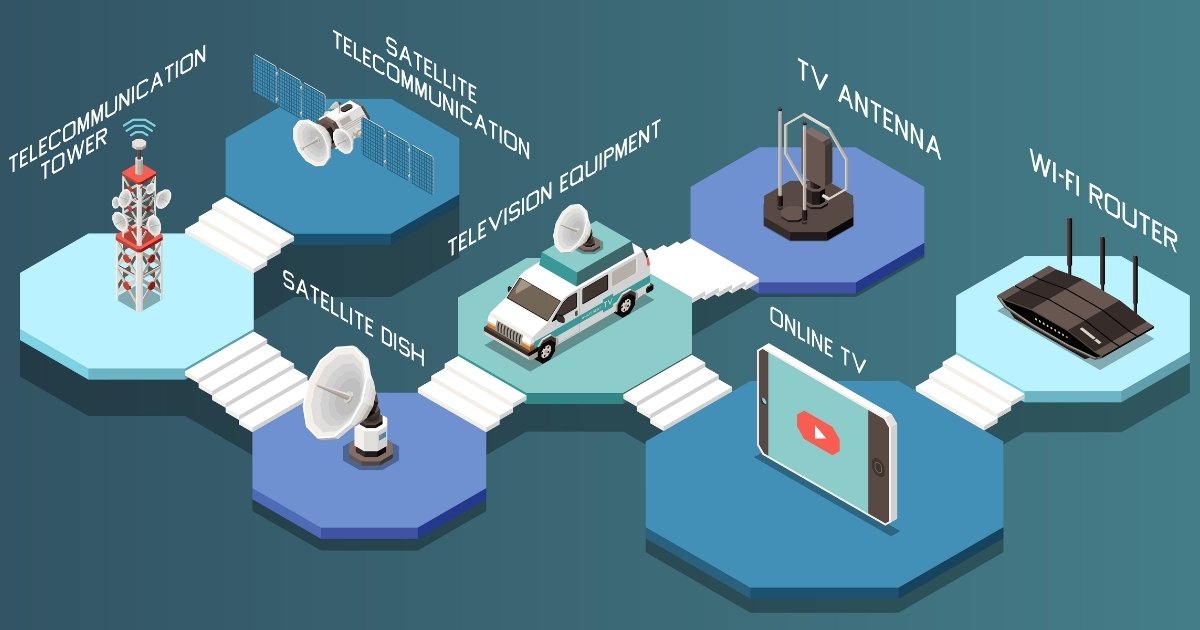
Modern mobile communication depends on intelligent systems that keep millions of devices connected every second. At the center of many 3G mobile network environments sits the radio network controller, which coordinates traffic, improves performance, and supports reliable wireless connectivity. Without this technology, users would experience slower speeds, unstable calls, and frequent interruptions across the mobile communication network.
Whether you browse the internet, stream videos, or make voice calls, a radio network controller quietly manages essential tasks behind the scenes. It works with the radio access network, controls radio resource management, and connects Node B stations with the core network. Understanding this technology helps you appreciate how modern telecom infrastructure delivers fast, secure, and dependable communication every day.
What Is a Radio Network Controller?
A radio network controller is a central device that manages radio resources inside a radio access network (RAN). Often called an RNC in telecom, it controls several Node B stations while directing traffic across the UMTS network. It performs radio resource management (RRM), supports mobility management, and maintains stable wireless connectivity as users move from one location to another.
Beyond managing connections, the radio network controller also improves mobile network architecture through intelligent network management and network optimization. It handles call setup, call routing, power control, and load balancing to reduce network congestion. These functions increase mobile network performance while delivering smoother voice communication, faster data transmission, and consistent quality of service (QoS).
How Does a Radio Network Controller Work?
A radio network controller works as the control center between Node B and the core network. It manages signal processing, controls data transmission, and selects the best communication path. This process keeps the mobile communication network fast, stable, and reliable.
As users move between cells, the controller performs soft handover, hard handover, and mobility management without dropping the connection. It also applies radio resource control (RRC), power control, and load balancing to improve mobile network performance while reducing network congestion.
How Does a Radio Network Function?

A radio network sends and receives signals through a wireless communication system that connects devices with a mobile base station. The radio access network (RAN) transfers information to the packet switched core network or circuit switched core network based on the service being used.
The radio network controller performs network traffic management, spectrum management, and network capacity management behind the scenes. These functions reduce network latency, improve quality of service (QoS), and provide seamless connectivity for voice calls, internet browsing, and streaming.
Key Components of a Radio Network Controller
A radio network controller combines advanced hardware and software to manage the radio access network efficiently. It communicates with Node B stations and supports network management across the UMTS network. Every component works together to improve wireless connectivity and maintain stable network operations.
These components also support radio resource management, network optimization, and telecom infrastructure. They process network requests, monitor traffic, and allocate resources in real time. As a result, the mobile communication network delivers faster speeds, stronger reliability, and better overall performance.
Hardware Components
The hardware includes processors, memory modules, storage devices, and communication interfaces. These parts handle large amounts of network data while connecting the mobile base station with the core network. Powerful hardware allows the controller to process requests without delays.
Software Components
The software controls NBAP protocol, NodeB Application Part, Iu-CS interface, Iu-PS interface, and the Iur interface. It also manages communication control port (CCP) and NodeB control ports (NCP). These tools help maintain secure communication and smooth network coordination.
Core Functions
The controller performs call setup, call routing, handover management, and radio signal management every second. It also works with serving RNC (S-RNC), drift RNC (D-RNC), controlling RNC (C-RNC), and the media gateway. Together, these functions improve mobile network architecture and ensure reliable communication across the network.
Exploring the Different Types of Radio Networks
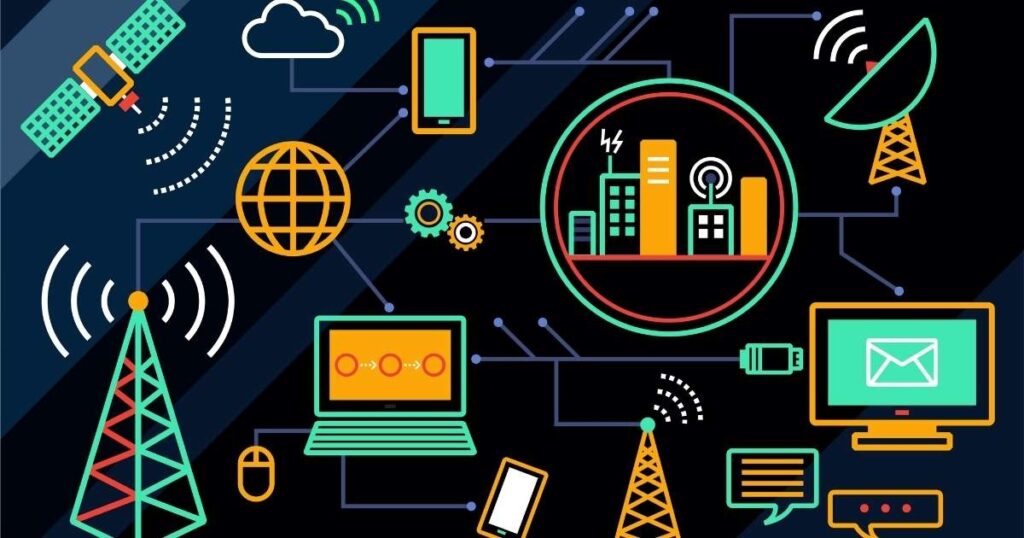
Different radio networks serve different communication needs across industries and public services. The most common types include cellular, private, satellite, and emergency communication networks. Each wireless communication system uses unique technologies to deliver secure and reliable wireless connectivity.
Many modern networks rely on a radio network controller to improve network optimization and support efficient radio resource management. In 3G mobile network deployments, the controller manages traffic between Node B stations and the telecom network controller, helping maintain strong performance during heavy network usage.
Benefits of Using Radio Network Controllers
A radio network controller improves the speed, stability, and efficiency of the mobile communication network. It reduces connection failures, balances traffic, and enhances network capacity management. These improvements help users enjoy clear calls, faster internet, and a better mobile experience every day.
The controller also supports mobile network performance by reducing network congestion and maintaining quality of service (QoS). Through intelligent network management and radio signal management, operators can deliver reliable services while expanding their cellular network infrastructure without sacrificing performance.
Why Choose a Radio Network?
A radio network offers flexible communication without depending on physical cables. It supports fast wireless connectivity, reliable voice communication, and secure wireless data services across different locations. This flexibility makes it an ideal choice for businesses, service providers, and public communication systems.
A radio network controller strengthens the mobile communication network by improving network optimization and maintaining stable connections. It supports growing telecom infrastructure, reduces downtime, and ensures smooth communication even when thousands of users access the network at the same time.
The Future of Radio Network Controllers
The future of the radio network controller will focus on automation, cloud technology, and intelligent 5G networks. Advanced AI tools will improve network management, predict traffic patterns, and optimize resources automatically. These innovations will help operators deliver faster and more reliable communication services.
Future controllers will also support LTE evolution, advanced telecom protocols, and smarter radio access network (RAN) technologies. As digital communication continues to grow, these improvements will increase mobile network performance, reduce delays, and create a stronger foundation for next-generation wireless networks.
Conclusion
A radio network controller remains a vital part of every mobile communication network, especially in a UMTS network. It manages radio resource management, improves wireless connectivity, and ensures stable communication between Node B stations and the core network. These functions help deliver reliable mobile services every day.
As wireless technology continues to evolve, the radio network controller will become even more intelligent and efficient. Its role in network optimization, mobile network architecture, and telecom infrastructure will support future innovations. Understanding this technology helps you see how modern mobile networks achieve fast, secure, and seamless communication.
FAQs
1. What is a radio network controller?
A radio network controller manages radio resources and controls communication between Node B stations and the core network to keep mobile services stable.
2. Why is a radio network controller important?
It improves network performance, manages handovers, and ensures reliable voice and data communication for mobile users.
3. Is a radio network controller still used today?
Yes, it is widely used in 3G UMTS networks, while newer technologies use evolved network control architectures.
4. How does a radio network controller improve call quality?
It balances network traffic, manages radio resources, and reduces dropped calls for a smoother user experience.
5. Can a radio network controller improve mobile network efficiency?
Yes, it manages network resources, reduces congestion, and supports smooth data and voice services for better overall network efficiency.

Welcome to The Tech Millon! I’m Ethan Clark, an AI-Powered SEO and Content Writer with 4 years of experience. I help websites rank higher, grow traffic, and look amazing. My goal is to make SEO and web design simple and effective for everyone. Let’s achieve more together!