


The demand for fitness app development is growing faster than ever as people choose digital tools to manage their health. Businesses are investing in fitness mobile app development, health and fitness app development, and mobile fitness solutions to meet changing customer needs. This trend is creating exciting opportunities across the fitness industry.
Modern fitness apps offer much more than simple workout plans. They combine AI-powered workout recommendations, personalized fitness plans, activity monitoring, and fitness analytics to deliver better results. Whether you own a startup or an established business, fitness app development can help you build stronger customer relationships and long-term growth.
What Is Fitness App Development?

Fitness app development is the process of creating mobile applications that help users exercise, eat better, and track their health. It includes fitness application development, exercise app development, gym app development, and wellness app development for Android, iOS, or both platforms. These apps make healthy living simple and more enjoyable.
Today’s fitness apps include advanced tools such as user profile management, progress tracking, calorie tracking, nutrition planning, and push notifications. Many apps also support Apple HealthKit, Google Fit integration, Fitbit integration, and wearable device integration to give users accurate health data in one place.
Why Is Fitness App Development So Popular?
People want flexible fitness solutions that fit into their busy routines. A modern fitness tracking app or workout tracking app lets users complete workouts, monitor progress, and stay motivated anywhere. This convenience continues to increase the demand for fitness app development across the United States.
Popular Types of Fitness Apps
Different users have different fitness goals, which is why businesses build various app categories. Personal trainer app development, custom fitness app development, and fitness software development help companies create solutions for beginners, athletes, and fitness enthusiasts. Choosing the right app type increases user satisfaction and long-term success.
Some apps focus on exercise, while others support nutrition, meditation, or overall wellness. A successful fitness platform development strategy combines useful features with a simple interface. This approach helps businesses attract more users and stay competitive in the growing digital fitness market.
Different Types of Fitness Apps
Workout applications provide guided exercises through exercise library, video workout sessions, and AI fitness coach features. Nutrition apps focus on meal planner tools and calorie tracking, while AI fitness app solutions deliver personalized coaching. Many businesses also build cross-platform fitness app, Android fitness app development, and iOS fitness app development solutions that work smoothly across multiple devices.
Essential Features of a Fitness App
The success of fitness app development depends on features that keep users active and motivated every day. A modern app should offer fitness app features that are simple to use and solve real problems. Easy navigation, fast performance, and smart personalization help users enjoy a better fitness experience.
Users also look for dependable features that fit seamlessly into their daily routine. Features like fitness goals, workout tracking, heart rate tracking, sleep tracking, and personalized user experience encourage regular app usage. These capabilities improve user engagement and help businesses build long-term customer loyalty.
Core Features Every Fitness App Should Include
A high-quality app should include virtual fitness coach, leaderboards, achievement badges, gamification, subscription model, and in-app purchases to increase motivation and revenue. It should also support cloud-based architecture, API integration, and secure health data security to deliver a smooth, scalable, and trusted user experience.
Step-by-Step Fitness App Development Process
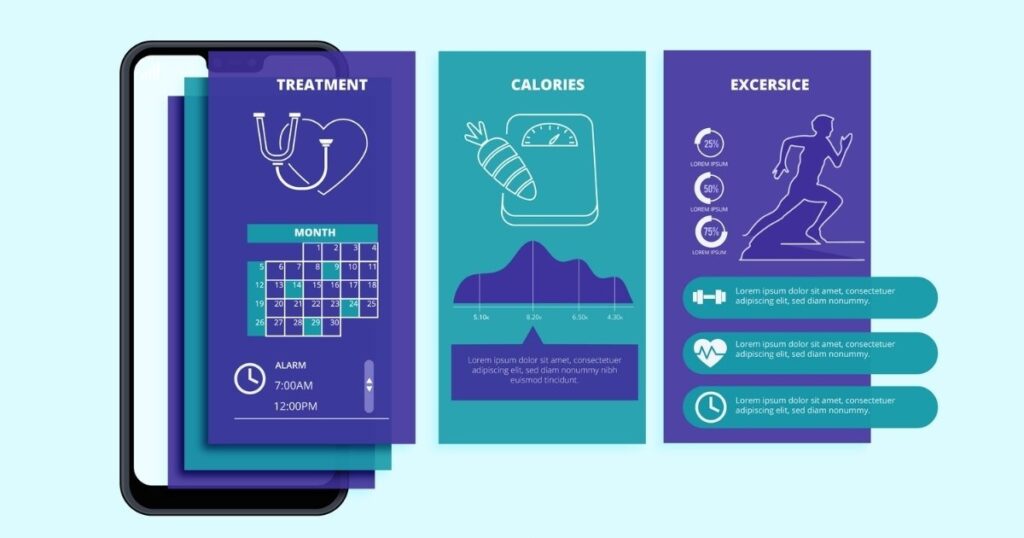
A successful fitness app development project begins with a clear idea and a well-planned strategy. First, identify your target audience, define their fitness needs, and study competing apps. This research helps shape a product that stands out and supports long-term business growth.
After planning, developers design the interface, build core features, and test every function before launch. Using UI/UX design, MVP development, agile development, and quality assurance testing helps reduce errors. Regular app maintenance and app scalability keep the application reliable as your user base grows.
Choosing the Right Technology Stack
The right technology improves speed, security, and future growth. Many developers use Flutter app development or React Native development for the frontend, while Node.js backend or Python backend powers the server. Databases like Firebase database, PostgreSQL, or MongoDB, combined with AWS cloud hosting, Google Cloud Platform, or Microsoft Azure, create a stable and high-performing application.
Fitness App Development Cost Breakdown
The fitness app development cost depends on several factors, including app complexity, design quality, platform choice, and advanced features. A basic app costs much less than one with AI, wearable support, or live coaching. The development team’s location and experience also affect the final budget.
Planning your budget early helps avoid unexpected expenses later. Costs also include testing, third-party integrations, updates, and app maintenance after launch. Businesses that invest in professional fitness app development services often receive a more secure, scalable, and reliable application with better long-term value.
Factors That Affect Development Cost
| Factor | Impact on Cost |
| App Features | More features increase development time and budget. |
| Platform | Building for Android, iOS, or both changes the overall cost. |
| UI/UX design | Custom designs require additional design and testing efforts. |
| Wearable device integration | Connecting smart devices increases development complexity. |
| AI and machine learning | AI-powered features require advanced development expertise. |
| Security & HIPAA compliance | Strong protection for user data adds development effort. |
| Post-launch Support | Regular updates and maintenance create ongoing costs. |
Best Monetization Strategies for Fitness Apps

A strong revenue plan helps your app grow long after launch. Many businesses combine fitness app monetization with premium services to create steady income. The right strategy depends on your audience, app features, and long-term business goals rather than relying on a single source of revenue.
Many successful apps use a mix of subscription-based fitness apps, subscription model, and in-app purchases to increase earnings. Some also generate income through brand partnerships, sponsored content, and online coaching. Offering free basic features with premium upgrades encourages users to subscribe over time.
Choosing the Right Revenue Model
The best monetization model balances user value with business growth. For example, a workout app can offer free exercise plans while charging for live fitness classes, advanced AI-powered workout recommendations, and detailed performance insights. This approach improves customer satisfaction while creating consistent recurring revenue.
Common Challenges in Fitness App Development
Building a successful fitness app development project involves more than writing code. Developers must create an app that performs well across devices while keeping users engaged. Poor performance, confusing navigation, or limited personalization can quickly reduce downloads and lower user retention.
Security is another major challenge because fitness apps collect personal health information. Protecting data privacy, following HIPAA compliance and GDPR compliance, and ensuring strong health data security builds user trust. Regular updates, bug fixes, and feature improvements also help maintain a safe and reliable application.
How to Overcome These Challenges
Businesses can solve most challenges through careful planning and continuous improvement. Collect user feedback, monitor app performance, and improve features based on real behavior. Adding remote fitness solutions, building a social fitness community, and organizing online fitness challenges keep users active while strengthening long-term loyalty.
Future Trends in Fitness App Development

The future of fitness app development is driven by innovation and personalization. Businesses are adopting smarter technologies that deliver faster, more accurate fitness experiences. As user expectations continue to grow, modern apps must provide intelligent features that make workouts easier, more engaging, and highly personalized.
Emerging technologies are transforming how people exercise and monitor their health. Features such as augmented reality workouts, virtual reality fitness, smart wearable devices, and advanced fitness industry trends are shaping the next generation of fitness apps. Companies that embrace these innovations will stay ahead in the competitive digital wellness market.
The Future of Smart Fitness Apps
Artificial intelligence will continue to improve the fitness experience through smarter coaching and automation. Future apps will deliver better AI-powered workout recommendations, deeper fitness analytics, real-time performance insights, and seamless digital health integration. These innovations will help users achieve their goals while giving businesses a strong competitive advantage.
Conclusion
Fitness app development has become a powerful investment for businesses that want to enter the growing digital wellness market. A successful app combines useful features, simple navigation, strong security, and modern technology to deliver real value. Focusing on user needs from the beginning creates an application that people enjoy using every day.
As technology continues to evolve, fitness apps will become even smarter and more personalized. Businesses that invest in quality development, regular updates, and innovative features will stay ahead of competitors. Choosing the right strategy today can help build a fitness app that drives user engagement, supports long-term growth, and succeeds in a rapidly changing market.
FAQs
1. What is fitness app development?
Fitness app development is the process of creating mobile apps for workouts, nutrition, and health tracking. These apps help users achieve their fitness goals with smart digital tools.
2. How much does fitness app development cost?
The cost depends on the app’s features, design, platform, and complexity. Basic apps cost less, while advanced AI-powered apps require a higher budget.
3. How long does it take to build a fitness app?
A basic fitness app usually takes 3–6 months to develop. Advanced apps with custom features may take 6–12 months.
4. What features should every fitness app have?
A fitness app should include workout tracking, goal setting, nutrition tracking, and user profiles. AI recommendations and wearable integration further improve the user experience.
5. How do fitness apps make money?
Fitness apps earn through subscriptions, in-app purchases, and premium memberships. They also generate revenue from ads, coaching services, and brand partnerships.

Welcome to The Tech Millon! I’m Ethan Clark, an AI-Powered SEO and Content Writer with 4 years of experience. I help websites rank higher, grow traffic, and look amazing. My goal is to make SEO and web design simple and effective for everyone. Let’s achieve more together!