


Businesses always look for better ways to improve speed and reduce costs. That is why automated and semi-automated solutions are becoming more popular across the United States. Modern automated systems help companies complete work faster while maintaining consistent quality.
Many organizations don’t switch to full automation at once. Instead, they begin with semi-automated systems that combine technology with skilled workers. This approach improves efficiency, reduces risks, and makes it easier to expand operations as business needs grow.
What Are Automated and Semi-Automated Systems?
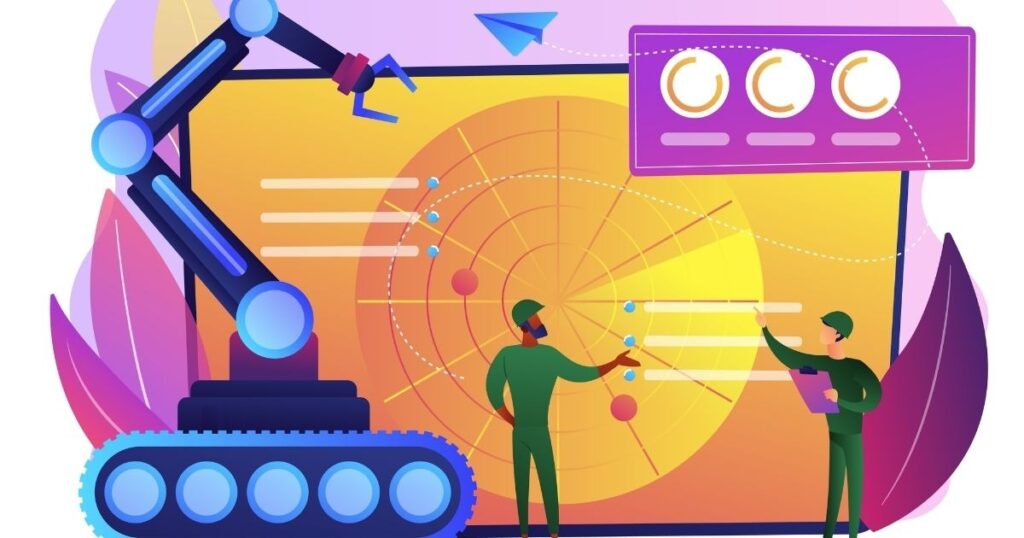
Automated and semi-automated systems use machines, software, and digital controls to perform different tasks. Some systems work almost independently, while others still require human intervention from trained human operators. This balance improves production efficiency and keeps operations running smoothly.
Many industries combine manual assembly with automated assembly to achieve better results. Businesses also invest in industrial automation, automation technology, and reliable automation solutions to increase productivity without sacrificing quality or flexibility.
Types of Automated and Semi-Automated Systems
Different industries use different types of automation based on their goals. Common examples include automated manufacturing, semi-automated manufacturing, factory automation, production automation, and process automation. Each system supports a specific stage of the production process.
Warehouses and distribution centers also depend on warehouse automation, warehouse management, automation software, automation equipment, and automated workflow. These technologies improve daily operations and prepare businesses for future growth through smarter and more efficient processes.
How Automated and Semi-Automated Systems Work
Every automated and semi-automated system follows a simple process. Sensors collect data, software analyzes it, and machines perform the required action. In fully automated systems, most tasks happen without human intervention, while semi-automated solutions still depend on skilled workers for supervision.
For example, a manufacturing plant may use automation tools, automated equipment, and robotic systems to complete repetitive jobs. At the same time, employees inspect products and solve unexpected issues. This combination improves operational efficiency, quality control, and error reduction.
Key Components of an Automation System
A modern automation system includes hardware, software, and intelligent controls. Important components include conveyor systems, automation software, artificial intelligence, machine learning, and advanced sensors. Together, they create a faster and more reliable automated workflow.
Many businesses also use warehouse management systems, automated storage and retrieval systems, barcode scanning, and RFID tracking to manage products. These technologies improve inventory management, inventory accuracy, order fulfillment, and goods transportation with fewer delays.
Benefits of Automated and Semi-Automated Systems
Businesses adopt automated and semi-automated solutions because they improve speed, accuracy, and consistency. Modern automation systems reduce manual tasks, increase workforce productivity, and help companies complete more work in less time. This leads to stronger business growth and better customer experiences.
Another major advantage is lower operating expenses over time. Although automation requires an initial investment, it delivers long-term cost-effectiveness through process optimization, fewer mistakes, and better operational performance. Businesses also gain more reliable decision making by using real-time production data.
Why Businesses Are Investing in Automation
Companies invest in automation to remain competitive in fast-changing markets. Modern smart automation supports digital transformation and helps organizations respond quickly to changing customer demands. As a result, businesses improve efficiency without increasing their workforce at the same rate.
Advanced automation technology also supports continuous improvement across different departments. Whether a company uses business automation, automated operations, or automated production, the goal remains the same: deliver better products faster while maintaining high quality standards.
Industries Using Automation Systems
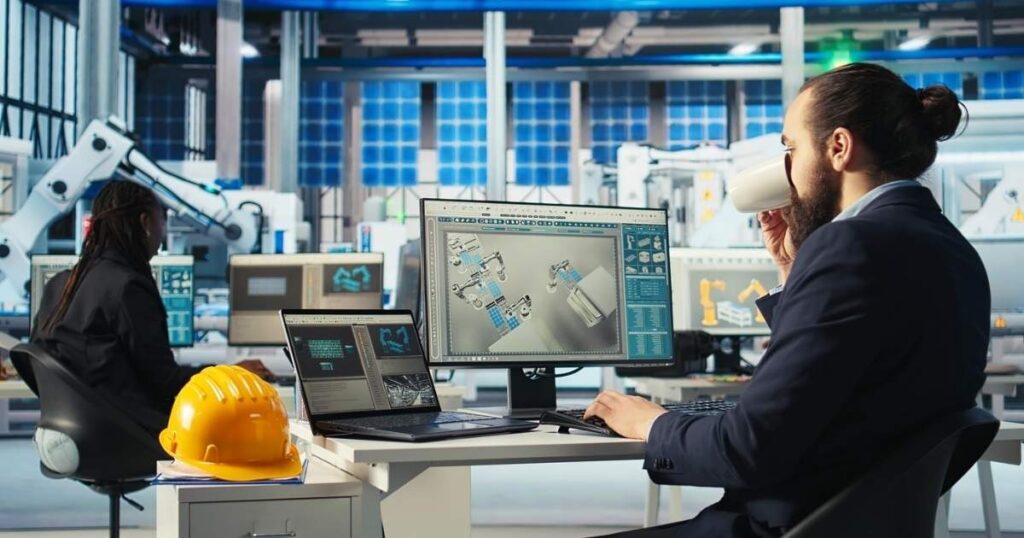
Automation has become essential across many industries in the United States. Manufacturers use factory automation, assembly process improvements, and robotics in manufacturing to produce high-quality products with greater consistency. These technologies reduce delays and improve daily production performance.
Retailers, hospitals, food processors, and logistics companies also benefit from automation. They rely on warehouse automation, logistics automation, and automation solutions to improve storage, shipping, and customer service. Better planning allows businesses to increase efficiency while reducing unnecessary operational costs.
Industries That Use Automation
| Industry | Common Automation Applications | Main Benefits |
| Manufacturing | Automated assembly, factory automation | Faster production and better quality |
| Warehousing | Warehouse automation, warehouse management | Faster storage and shipping |
| Healthcare | Pharmacy robots, smart equipment | Improved accuracy and patient safety |
| Retail & E-commerce | Inventory tracking, order processing | Faster deliveries and fewer errors |
| Food & Beverage | Packaging and quality inspection | Better consistency and food safety |
| Automotive | Automated manufacturing, robotic assembly | Higher productivity and precision |
Challenges of Automation Systems

Every automation project comes with challenges that businesses should understand before investing. High implementation cost, ongoing maintenance costs, and employee training can affect the overall budget. Careful planning helps companies avoid delays and achieve better long-term results.
Some businesses also face technical issues when connecting new systems with older equipment. Limited scalability, changing production needs, and system upgrades require regular equipment management. A clear strategy reduces risks and keeps operations running without major interruptions.
Common Barriers to Successful Automation
Successful automation depends on proper planning and realistic goals. Companies should evaluate their manufacturing process, available resources, and future expansion plans before selecting new technology. This approach improves production planning and reduces costly mistakes.
Another important factor is employee support. Workers need proper training to manage modern systems and solve unexpected problems. When businesses combine skilled employees with intelligent automation, they achieve better efficiency and long-term success.
Choosing the Right Automation System
Choosing between automated and semi-automated solutions depends on your business size, production goals, and available budget. Large manufacturers often prefer complete automation, while growing companies usually start with semi-automation because it offers greater flexibility and lower financial risk.
You should also consider future growth before making a decision. The best system supports changing workloads, improves productivity, and integrates easily with existing operations. A scalable solution protects your investment and delivers value for many years.
Factors to Consider Before Investing
| Factor | Why It Matters |
| Business Size | Determines the level of automation required |
| Budget | Impacts equipment and installation choices |
| Production Volume | Helps select the right automation level |
| Workforce Skills | Ensures employees can operate the system |
| Future Growth | Supports expansion without major upgrades |
| Maintenance | Reduces downtime and repair expenses |
Future of Automated and Semi-Automated Systems

The future of automated and semi-automated technology looks promising as innovation continues to accelerate. Businesses are adopting smarter solutions that improve speed, accuracy, and efficiency across every department. Automation is becoming more accessible for both small and large organizations.
Emerging technologies such as advanced AI, connected devices, and predictive analytics will continue transforming industries. Companies that invest in modern automation today will be better prepared for future demands, stronger competition, and changing customer expectations.
Emerging Trends in Smart Automation
Future automation will focus on connected systems that learn and improve over time. Businesses will rely more on cloud platforms, intelligent robots, and real-time data to optimize operations. These innovations will create faster workflows, lower costs, and more sustainable business growth.
Conclusion
Automated and semi-automated systems have transformed the way modern businesses operate. Whether you choose full automation or a semi-automated approach, the right solution can improve efficiency, reduce costs, and support long-term growth. Every business has different needs, so there is no one-size-fits-all answer.
The best approach is to evaluate your budget, production requirements, and future goals before investing. A well-planned automation strategy increases productivity, improves quality, and helps your business stay competitive in an evolving marketplace. Choosing the right system today can create lasting value for years to come.
FAQs
1. What are automated and semi-automated systems?
Automated systems work with minimal human involvement, while semi-automated systems combine machines with human support. Both improve speed and productivity.
2. Which is better: automated or semi-automated systems?
It depends on your budget and business needs. Automated systems offer maximum efficiency, while semi-automated systems provide greater flexibility.
3. What are the benefits of automation systems?
Automation systems reduce errors, save time, and improve productivity. They also help lower operating costs over the long term.
4. Which industries use automation systems?
Manufacturing, healthcare, warehousing, retail, and logistics widely use automation. These industries benefit from faster and more accurate operations.
5. How do I choose the right automation system?
Consider your budget, production goals, and future growth plans. The right system should match your operational needs and business objectives.

Welcome to The Tech Millon! I’m Ethan Clark, an AI-Powered SEO and Content Writer with 4 years of experience. I help websites rank higher, grow traffic, and look amazing. My goal is to make SEO and web design simple and effective for everyone. Let’s achieve more together!