
Mobile apps have become essential for businesses across the USA. They help companies reach customers, simplify services, and improve daily operations. Yet building separate apps for Android and iOS can increase costs, workload, and launch time.
That’s why hybrid app development services have become a practical choice. Using a single codebase, businesses can create apps for different platforms while reducing duplicated work. Modern frameworks also support strong performance, attractive designs, and flexible cross-platform mobile apps.
What Are Hybrid App Development Services?

Hybrid app development combines web technologies with native device capabilities. Developers create one application that can work across the Android and iOS platforms. This approach reduces repeated coding and can make updates easier for growing businesses.
Modern hybrid mobile applications can use cameras, GPS, notifications, storage, and other device features. With proper planning, hybrid application development can support startups, retailers, healthcare providers, and large companies with different digital needs.
Hybrid vs. Native App Development
Native apps use platform-specific technologies for Android or iOS. Hybrid development uses shared technologies for multiple platforms. Therefore, cross-platform app development can reduce duplicated development work while maintaining a consistent interface.
Benefits of Hybrid App Development
Cost efficiency is a major advantage for businesses. Shared development can reduce app development costs because teams don’t need to build every feature twice. It can also provide a faster time to market for startups testing new ideas.
Another advantage is easier maintenance. Developers can update shared components instead of managing completely separate applications. With good planning, hybrid solutions can support application scalability, future features, and growing user demand without creating unnecessary technical complexity.
| Benefit | Business Advantage |
| Shared development | Less duplicated work |
| Faster launches | Quicker market entry |
| Easier updates | Simplified maintenance |
| Multi-platform support | Wider user reach |
| Reusable components | Better development efficiency |
Our Hybrid App Development Services
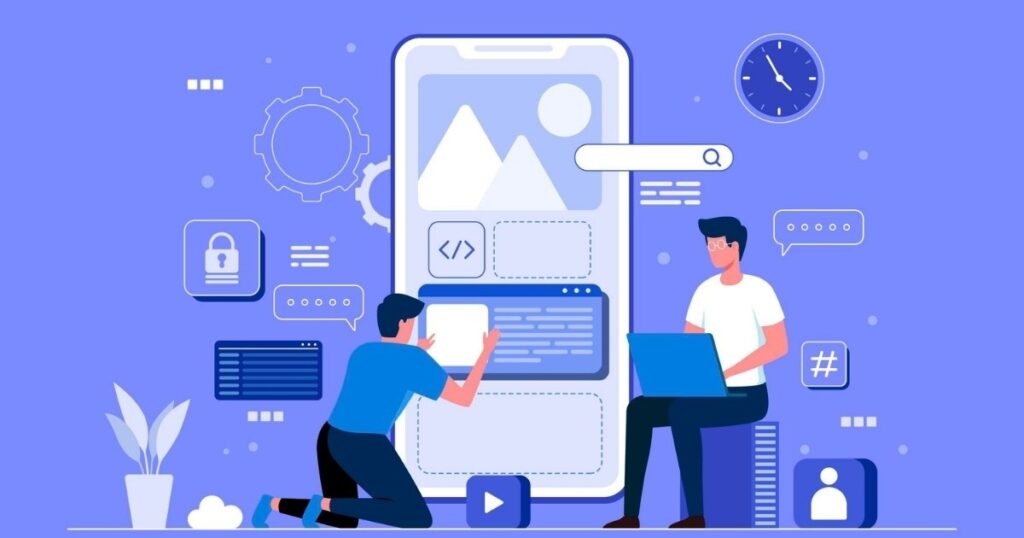
A complete service covers more than application coding. Custom hybrid app development can include planning, design, development, testing, deployment, and maintenance. Teams can also handle backend systems, databases, cloud platforms, and third-party services.
Good design remains equally important. Mobile app UI/UX design creates simple navigation and clear interactions. Developers can then add API integration, secure authentication, payment gateways, maps, analytics, and other tools that turn an app into a useful business platform.
Hybrid App Development Process
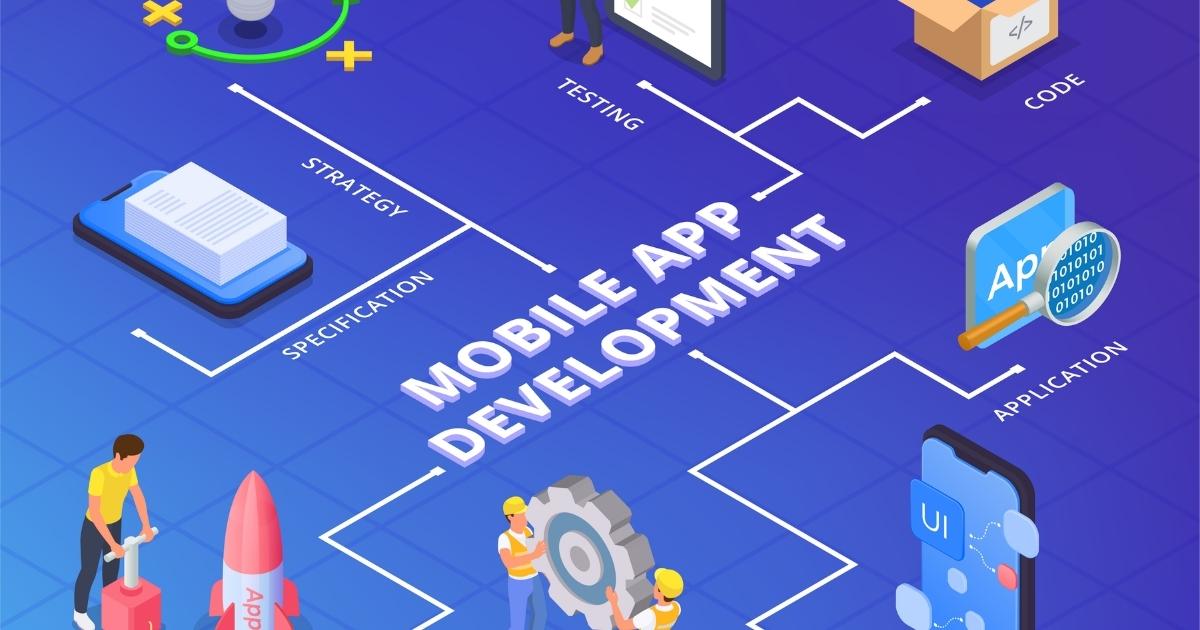
The hybrid app development process begins with understanding your goals and audience. Teams define features, technical needs, budget, and expected growth. This planning stage creates a clear foundation before development begins.
Design and development follow the planning stage. Developers build the application, connect backend services, and test different devices. Strong hybrid app testing checks functionality, security, usability, and performance before deployment and future app maintenance and support.
From Planning to Launch
An early prototype helps identify design problems before full development starts. Developers then build core features and integrate additional services. This structured approach keeps the app development process organized and makes the development timeline easier to manage.
Modern Tech Stack for Hybrid Apps
Choosing the right technology affects performance and long-term maintenance. Popular hybrid app development frameworks include Flutter, React Native, and Ionic. Each framework offers different strengths based on project complexity, developer skills, interface needs, and backend requirements.
Flutter app development works well for highly customized interfaces. React Native development suits teams familiar with JavaScript and its ecosystem. Ionic app development can benefit projects that rely heavily on web technologies and reusable web-based components.
Key Features of Hybrid Mobile Apps
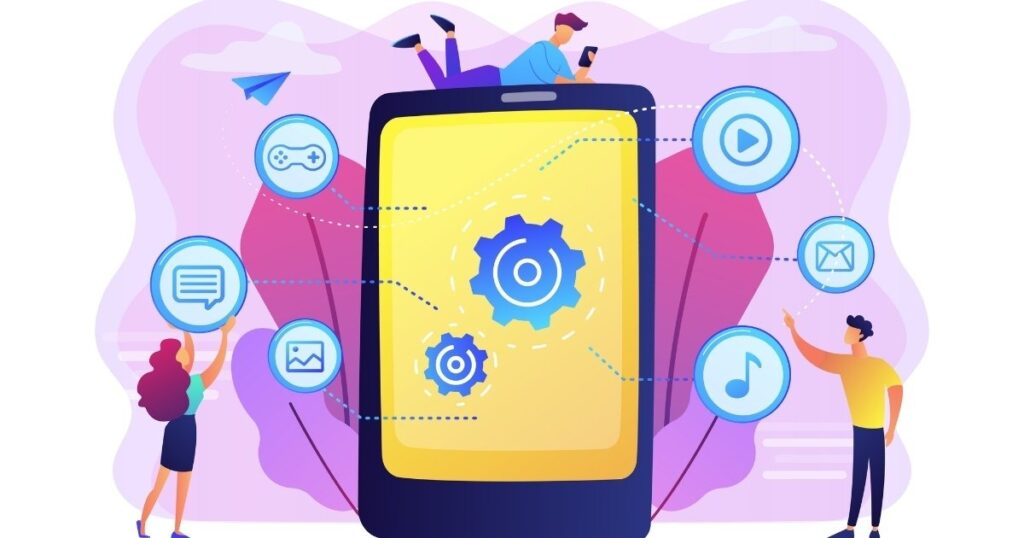
Modern apps need useful features rather than flashy additions. Common capabilities include push notifications, payment integration, GPS services, secure login, analytics, and personalized content. These tools can improve engagement while making customer and business tasks easier.
Performance and security should receive equal attention. Mobile application performance depends on efficient code, network requests, and resource management. Features such as offline functionality, encrypted communication, secure storage, and protected APIs can improve reliability and application security.
Industries Using Hybrid App Development
Hybrid solutions support many American industries. Fintech applications can manage payments and financial services, while healthcare applications can support appointments and patient communication. Retail companies can also use hybrid apps for shopping, loyalty programs, and customer support.
Other common sectors include travel, logistics, education, and enterprise operations. Travel applications can offer booking and location tools. Logistics applications can support tracking and delivery management. Education applications can deliver lessons and assessments while supporting broader enterprise mobility needs.
How to Choose a Hybrid App Development Company

Selecting a hybrid app development company requires more than comparing prices. Review its framework experience, development process, security practices, and industry knowledge. A strong provider should understand your business requirements and explain technical decisions in simple terms.
A detailed project portfolio can reveal the quality of previous work. Look for relevant case studies, reliable communication, transparent pricing, and strong post-launch services. Ask how the team handles testing, updates, scalability, security, and post-launch support before signing a contract.
| Selection Factor | What to Review |
| Experience | Relevant app projects |
| Technology | Flutter, React Native, or Ionic |
| Portfolio | Similar products and industries |
| Security | Data and API protection |
| Communication | Regular project updates |
| Support | Maintenance and future updates |
| Pricing | Clear scope and costs |
A reliable mobile app development company should provide a clear estimate. The hybrid app development cost depends on design complexity, features, integrations, security, backend requirements, and development hours. Very cheap proposals may exclude testing, maintenance, or important integrations.
Conclusion
For many businesses, hybrid app development services offer an efficient route to mobile growth. A shared development strategy can reduce duplicated work while reaching Android and iOS users. Modern tools also support attractive interfaces, integrations, security, and scalable mobile applications.
However, technology should match the product. Consider your users, features, budget, security needs, and future plans before choosing a framework. With proper planning and reliable hybrid app maintenance, a cross-platform application can remain useful and competitive for years.
FAQs
1. What Are Hybrid App Development Services?
They help businesses build apps for Android and iOS using shared code. This can reduce development time and overall costs.
2. How Much Does Hybrid App Development Cost?
Costs depend on app features, design, integrations, and complexity. Advanced apps usually require a larger development budget.
3. Which Frameworks Are Used for Hybrid Apps?
Popular options include Flutter, React Native, and Ionic. The best framework depends on your app requirements and business goals.
4. Are Hybrid Apps Good for Startups?
Yes, hybrid apps can help startups launch across multiple platforms efficiently. Shared development can also make limited budgets go further.
5. How Long Does Hybrid App Development Take?
Development time depends on features, testing, design, and integrations. A simple app can launch faster than a complex business application.

Welcome to The Tech Millon! I’m Ethan Clark, an AI-Powered SEO and Content Writer with 4 years of experience. I help websites rank higher, grow traffic, and look amazing. My goal is to make SEO and web design simple and effective for everyone. Let’s achieve more together!