

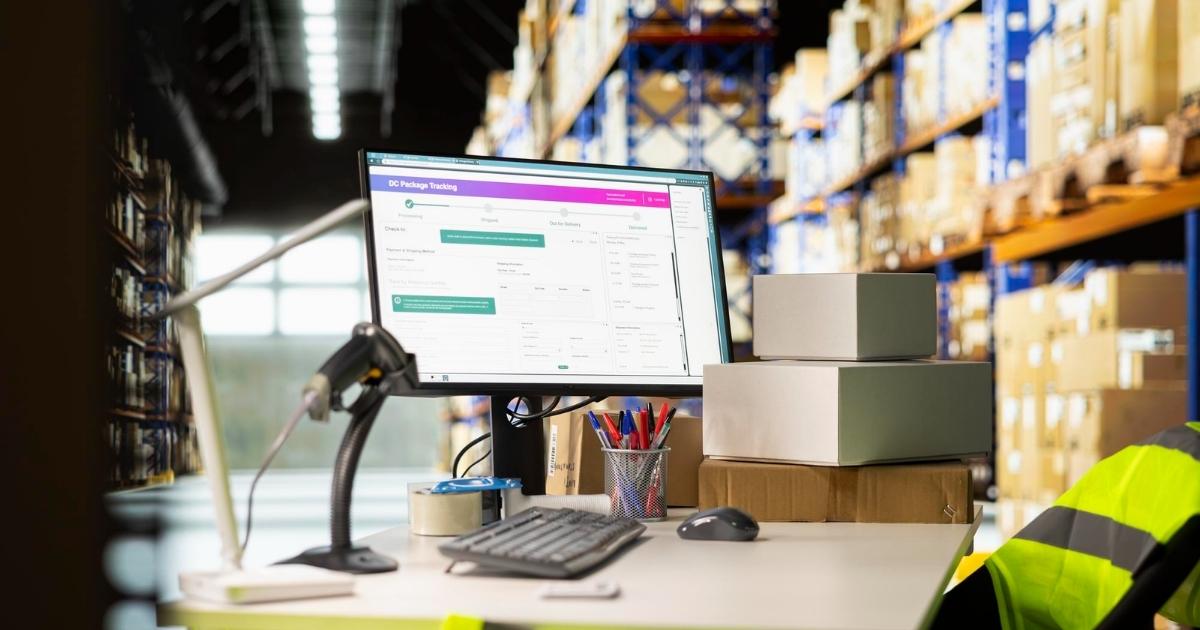
Inventory problems rarely arrive with a warning. A missing component can delay production while excess inventory quietly locks up cash. For U.S. manufacturers, accurate stock control matters because even a small inventory mistake can affect schedules, costs, and customer deliveries.
Modern systems bring purchasing, production, warehouses, and sales into one connected workflow. Real-time inventory data gives managers a clearer picture of materials and products. This article explains how the technology works and what features can make daily manufacturing easier.
What Is Manufacturing Inventory Software?

Manufacturing inventory software helps companies control materials throughout the production cycle. It manages raw material inventory, components, work in progress, and finished products. Unlike basic inventory tools, it can connect stock information with purchasing and production requirements.
The main goal is simple: know what you have, where it is, and when you need more. A manufacturing inventory management system can record stock movements automatically. It also gives teams better inventory visibility across warehouses and production areas.
How Does Manufacturing Inventory Software Work?
The process begins when materials arrive from suppliers. Workers can record quantities, locations, and item details during receiving. As materials move into production, the system updates inventory levels and records each transaction without relying entirely on manual spreadsheets.
The same information can support purchasing and production planning. For example, managers can compare available stock with production schedules before releasing an order. Automated connections between purchasing and inventory also make purchase orders easier to manage.
Key Features of Manufacturing Inventory Software
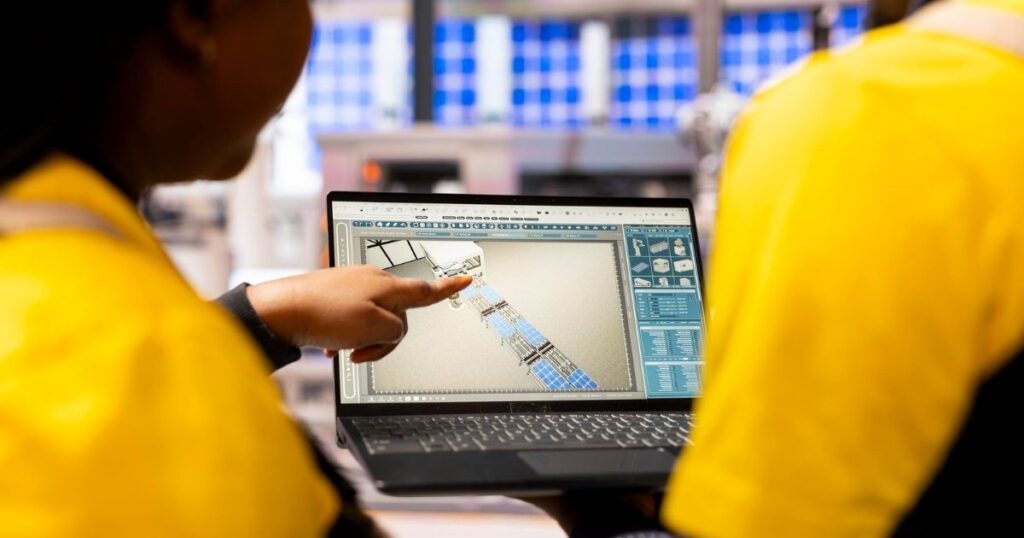
A strong platform should do more than count products. It should connect warehouse activity with purchasing, production, and fulfillment. Important capabilities include inventory tracking software, barcode tools, replenishment controls, forecasting, and traceability.
These features become especially useful when production grows more complex. Manufacturers may handle thousands of components across different facilities. A reliable inventory control system can keep those movements organized while reducing manual work and improving operational efficiency.
Real-Time Tracking and Barcode Scanning
Real-time tracking gives teams current information about stock and locations. Barcode scanning speeds up receiving, transfers, picking, and shipping. Combined with barcode inventory management, it can reduce data-entry errors and make warehouse records more dependable.
Lot and Serial Traceability
Traceability becomes critical when manufacturers need to identify specific materials or products. Lot tracking follows groups of items while serial number tracking follows individual units. Recording lot numbers and serial numbers helps support recalls, audits, quality checks, and customer inquiries.
Automated Replenishment and Forecasting
Running out of an important component can bring production to a standstill. Automated replenishment helps prevent this by using reorder rules and demand information. Strong inventory forecasting also considers usage patterns and supplier lead times before recommending future purchases.
Warehouse and MRP Integration
Warehouse tools manage activities such as receiving, storage, transfers, picking, and shipping. Material requirements planning connects those activities with production needs. When MRP software identifies upcoming material requirements, purchasing teams can prepare before shortages affect the production floor.
Reporting and Analytics
Good reports turn inventory records into useful business information. Inventory reports can reveal slow-moving products, shortages, purchasing patterns, and warehouse activity. Advanced inventory analytics can also help managers understand demand, improve planning, and make smarter resource allocation decisions.
Benefits of Manufacturing Inventory Software
Better inventory control can remove many small problems that eventually become expensive. Accurate records reduce unnecessary searching and manual reconciliation. Strong manufacturing inventory management also helps companies reduce stockouts while keeping production materials available when workers need them.
Cost control is another major advantage. Better forecasting can reduce excess inventory and unnecessary storage expenses. Connected inventory management software also helps teams coordinate purchasing, production, and fulfillment. That creates smoother workflows and gives managers more confidence in daily decisions.
How It Improves Inventory Tracking and Visibility
Traditional spreadsheets often show yesterday’s inventory rather than today’s position. Modern systems provide real-time inventory tracking as materials move through receiving, storage, production, and shipping. This gives managers faster access to accurate quantities and locations.
The advantage becomes larger when a company operates several facilities. Multi-location inventory management can show stock across plants and warehouses. Combined with warehouse inventory management, it improves supply chain visibility and helps teams decide where materials should move next.
Manufacturing Inventory Software vs. ERP Systems

Standalone inventory tools mainly focus on controlling and tracking stock. An ERP platform connects inventory with accounting, purchasing, sales, production, and other functions. ERP inventory management therefore provides a broader operational view than a basic inventory application.
For manufacturers, the difference often comes down to integration. Manufacturing ERP software can connect inventory with MRP, finance, purchasing, and quality processes. This creates centralized inventory data that different departments can use instead of maintaining separate records.
| Area | Inventory Software | Manufacturing ERP |
| Stock tracking | Strong | Strong |
| Purchasing | Usually available | Integrated |
| Production planning | Varies | Integrated |
| Accounting | Often separate | Integrated |
| MRP | Varies | Common |
| Quality management | Depends on system | Often integrated |
| Multi-site support | Varies | Usually available |
| Business reporting | Inventory focused | Cross-functional |
Best Manufacturing Inventory Software Options
Choosing the best platform depends on manufacturing size, production complexity, budget, and integration needs. Popular business platforms include Microsoft Dynamics 365 Business Central, NetSuite, SAP Business One, Odoo, and Epicor Kinetic. Each takes a different approach to inventory and manufacturing management.
| Platform | Main Strength | Potential Fit |
| Microsoft Dynamics 365 Business Central | ERP integration | Growing manufacturers |
| NetSuite | Cloud operations | Multi-location businesses |
| SAP Business One | Business management | Small and midsize companies |
| Odoo | Modular design | Flexible operations |
| Epicor Kinetic | Manufacturing focus | Complex production |
Rather than choosing software because it has the longest feature list, compare it against real workflows. Check support for inventory management system functions, production requirements, warehouses, purchasing, and reporting. The right choice should solve current problems without creating unnecessary complexity.
How to Choose Manufacturing Inventory Software
Start by mapping how inventory moves through the business. Review receiving, storage, production, transfers, counting, and shipping. Then identify where delays or errors occur. This process helps you evaluate inventory control software based on genuine operational needs rather than marketing claims.
Next, examine integrations, usability, security, training, support, and scalability. Consider cloud-based access when employees need information across different locations. During demonstrations, test real manufacturing situations instead of generic examples. A good system should simplify work rather than become another burden.
Manufacturing Inventory Software for Cost Control

Inventory can consume cash long before anyone notices the problem. Storage, obsolete materials, emergency purchases, and production downtime can all increase expenses. Effective inventory optimization helps manufacturers maintain enough stock without filling warehouses with materials they don’t currently need.
Better purchasing decisions can make a meaningful difference. Managers can use demand patterns, supplier information, and usage history to improve inventory cost control. Strong demand forecasting also helps balance material availability with working capital while supporting more predictable supply chain management.
Conclusion
Effective inventory management is about much more than counting products. Manufacturers need accurate information about materials, components, production requirements, warehouses, and finished goods. Connected systems can bring these activities together while reducing manual work and improving decision-making.
The strongest solution should match your production workflow and future plans. Look for reliable tracking, replenishment, traceability, reporting, and integration. When these capabilities work together, manufacturers can improve accuracy, reduce waste, protect production schedules, and control inventory costs more effectively.
FAQs
What Is Manufacturing Inventory Software?
It helps manufacturers track raw materials, components, work-in-progress, and finished goods. It also improves purchasing and inventory control.
How Does Manufacturing Inventory Software Help Manufacturers?
It improves inventory accuracy, reduces stockouts, and provides real-time visibility. It also helps teams manage materials more efficiently.
What Features Should Manufacturing Inventory Software Have?
Key features include barcode scanning, real-time tracking, automated replenishment, forecasting, and lot and serial number tracking.
Can Manufacturing Inventory Software Reduce Costs?
Yes, it can reduce excess inventory, storage costs, manual work, and emergency purchases. Better forecasting also supports smarter purchasing decisions.
Is Manufacturing Inventory Software Part of an ERP?
It can work as standalone software or as part of an ERP platform. ERP integration connects inventory with purchasing, production, accounting, and sales.

Welcome to The Tech Millon! I’m Ethan Clark, an AI-Powered SEO and Content Writer with 4 years of experience. I help websites rank higher, grow traffic, and look amazing. My goal is to make SEO and web design simple and effective for everyone. Let’s achieve more together!